

 Apple Podcasts
 Spotify
 YouTube
 Difficult Leadership Pt. 8
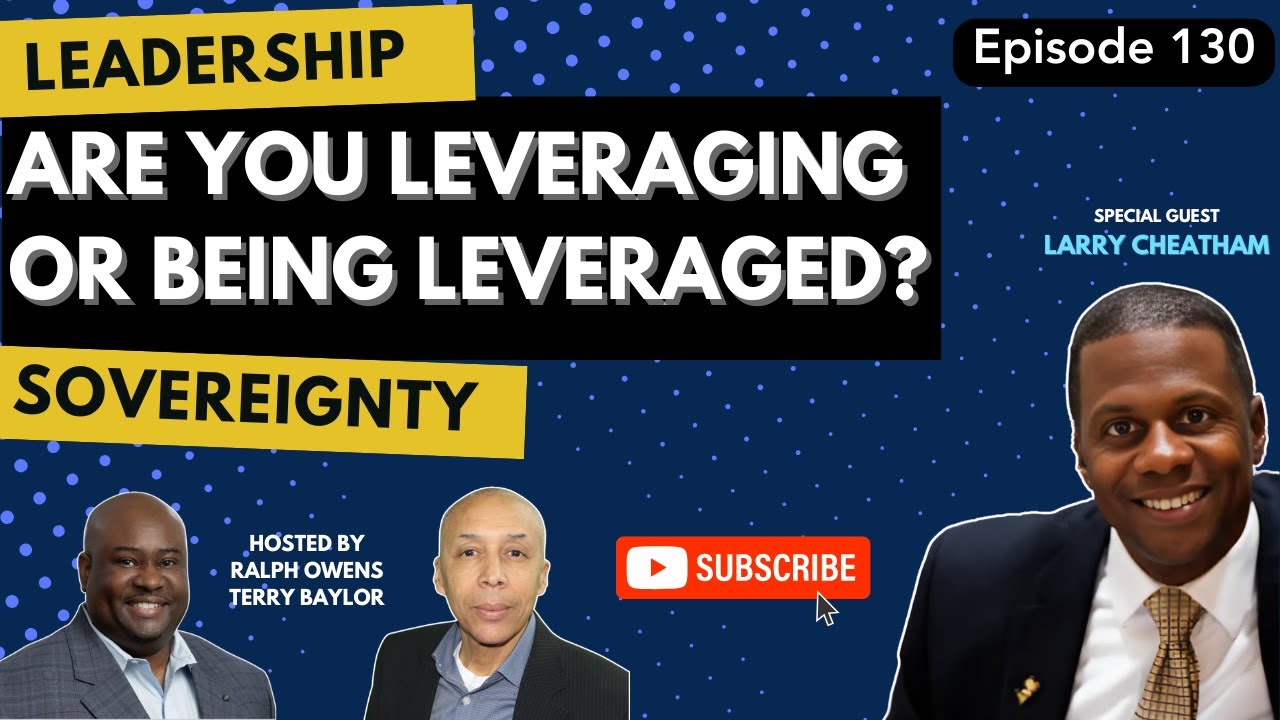
Discover the untapped power of documentation. In this episode, we delve into documentation’s critical role in navigating professional challenges. Learn how to identify the right time to escalate an issue and understand the long-term benefits of meticulous record-keeping. Uncover the surprising ways thorough documentation can save you time, reduce stress, and even boost your career. ★ Support this podcast ★
Welcome to Leadership Sovereignty, the podcast. I'm your host, Ralph Owens, along with Terry Baylor. In today's episode, we'll answer questions such as, what is the power of documentation? When is it the right time to escalate an issue? And when will documentation pay you back?
Speaker 1:Enjoy the show.
Speaker 2:And I and I and on that note, Ralph, because we were just having some dialogue about a very similar situation like that. And again, right, going back to the documentation thing, right, there's nothing wrong with documenting the conversation and saying, Hey guys, you know, do it in a very strategic, smart, intelligent way. Hey, these were the things that were brought up. These were the three you know main issues. These were the six suggestions that were provided and this is the one that was chosen.
Speaker 2:Right? So again you have a scenario because I don't know. Well, I think in the scenario that we that we talked about, I believe that situation was documented that says, hey, here's here's your options. And here's my recommendation. What do you think?
Speaker 3:That's it.
Speaker 2:And when that conversation circled back around, you know what it was? It was crickets and but let's just get it right right
Speaker 3:yes
Speaker 2:because it had been documented
Speaker 1:yes
Speaker 2:it had been documented and then when you bring it back to remembrance the person that leader has to say oh yeah Because in this situation the leader was trying to really put heat on the person who had brought the solution.
Speaker 3:That's right. That's right. But that by re going over it again because it was documented. You're now holding that person accountable. And if you don't catch anything else, your boss is always going to keep you accountable, but how do you keep them accountable?
Speaker 3:It's through documentation. That is the power of documentation. It keeps people accountable including those who may have authority over you.
Speaker 2:Yes. Yes. And here's the thing, right? Man how I'm trying to figure out the best way to say this the constitution this written document supposedly governs everything that we do. 1776 if I'm not mistaken.
Speaker 2:Right? And we still operating by what was written on that piece of paper. Now there have been amendments and things added but again that written piece of paper is the premise of everything that's happening in this country. That doesn't show you the power of documentation and how this system works. This is how this system works.
Speaker 3:That's good.
Speaker 2:Alrighty, perfect. So I know we've man, we got one more topic after this Ralph, but I know we've kind of hit on some of this a little bit, which is when to escalate, recognizing signs that the situation is not improving. I don't think we've talked specifically about that one, but we've talked about areas around it, like H. R. Documentation and things of that nature.
Speaker 2:So if a person is in a situation where it doesn't appear that it's getting better Now, you know, we're not outlining. You know, here's the thing, right? Number one, if there is ever abuse, harsh language, know, inhumane type things, right? Yeah. I mean, those things have to be bubbled up.
Speaker 3:Yes, sir.
Speaker 2:Pretty immediately. No one we're not advocating abuse.
Speaker 3:Right.
Speaker 2:You know what I'm saying? So, you know, to kind of just take it in, you know, because there, you know, there have been things that have happened in the, you know, in workplaces where and to Ralph's point, the policy clearly outlines those things.
Speaker 3:That's right. Yeah. Yeah. There's no question about that. Think we're
Speaker 2:talking about, I'm sorry, go ahead. I was just saying we're talking about, I won't call them gray areas, but it's I don't know what we call those areas. Yeah.
Speaker 3:Yeah. Clearly defined, maybe.
Speaker 2:Yes. Yes. Yes. Not clearly defined.
Speaker 3:But I'll say this, so going back to documentation. So when does documentation pay you back? When you have to escalate because now you can prove a pattern. I met with this person on this day and this is what was said. I met on this person with this day and this was what was said.
Speaker 3:I met with this person on this day and this is what it said. And this situation hasn't been changing. I addressed the situation on this day. This is what I said. This is what they, their response was.
Speaker 3:Right? You have a complete documented record of everything that's happened, right? For you to present and escalate up to a higher authority, maybe it's HR, maybe it's a higher level manager. You this this also is that point in time where you have to be very clear on what your policies dictate that you can do and what you can't do. Right?
Speaker 3:So that none of that could ever be used against you later as you start this process. Because I don't care how strong the policy is and the the the rules are relationship trumps everything. People have relationships with others in higher places, sometimes in HR, whatever the case may be. We've seen the HR system used as a weapon against us when we were just trying to do the right thing. And that was all predicated on relationship.
Speaker 3:Right? So relationship trumps everything. So the one thing you want to do, and again, this is not doom and gloom. This is teaching you, giving you tools to be able to function in these types of situations. This is where your documentation really, really pays you back because now you have a documented record that you can use in the escalation process.
Speaker 3:And it's not just a me against them or my feeling against their feelings. I mean, what are your thoughts on that too?
Speaker 2:Ralph, that is spot spot on. Right? That that documentation is going to give you a sense of freedom and latitude to operate.
Speaker 3:That's right.
Speaker 2:Because you have it, You have every account. You've taken the time to articulate it. No, I don't think there's any I'll say this, We didn't know the game that was being played.
Speaker 3:We did not.
Speaker 2:That's I didn't why we're a single thing written down during that event.
Speaker 3:Yep, me neither. And they I remember being asked to walk into a room where there were two people, my direct manager and an HR person sitting in certain positions at the table with documentation ready. And I walked in there with nothing and got hammered. Because they used this system that they knew I didn't understand against me. Right.
Speaker 3:That's when we started digging into this stuff saying, Oh, could be documenting too. Exactly. Oh, that's a tool that I can use to properly record everything that happens. Because when you get in a situation like that, when you walk in a room like that and they have this, let's say they call it their documentation. When you try to say that's not true, they think, oh, you're just lying just to save yourself because you don't have any proof.
Speaker 2:Yeah. Right. And here's the thing, Ralph, what I'm thinking about, man, do you know how amazing it would have been that if we could have said, yeah, I'll sign that, but I want my documentation included as well.
Speaker 3:Exactly.
Speaker 2:That would have changed everything.
Speaker 1:Changed everything. It would
Speaker 3:change everything. It just, again, because we didn't know when we had to go through the situation. We're here today to try to give you all the tools so that you don't have to go through that situation. But again it has to be a part of your routine. You have to be willing to put this administrative work in so that you can have these things, these tools ready to help you.
Speaker 3:Right? And then and let us not forget the relationships that you build with others in the organization. Right? Because some people, some bad leaders will get in a room with other leaders and try to bad mouth you. The relationship that you built with these other leaders say, no, I don't see that in that person.
Speaker 3:Exactly. They fighting for you at the table that you can't be at.
Speaker 2:Exactly. Right. That's exactly right. That's exactly right. So last area here, and these are things that we've talked about in the past, just about self care and how are you growing?
Speaker 2:Right. These are the two things. Honestly, I think are the most these are the this area, in my opinion, is the most important because your ability to handle the situation and to thrive in the situation is going to depend on how are you taking care of yourself?
Speaker 3:Yes.
Speaker 2:And what materials are you taking in to help you be a better person? Right. To help you be a better employee, to help you be a better leader.
Speaker 1:Right thank you for listening to the Leadership Sovereignty Podcast we hope that you not only enjoyed the content but gained something to help you on your personal leadership journey Feel free to reach out to us on X and Instagram under the handles Leadership Sovereignty. Until next time, stay safe, peace, and blessings.