
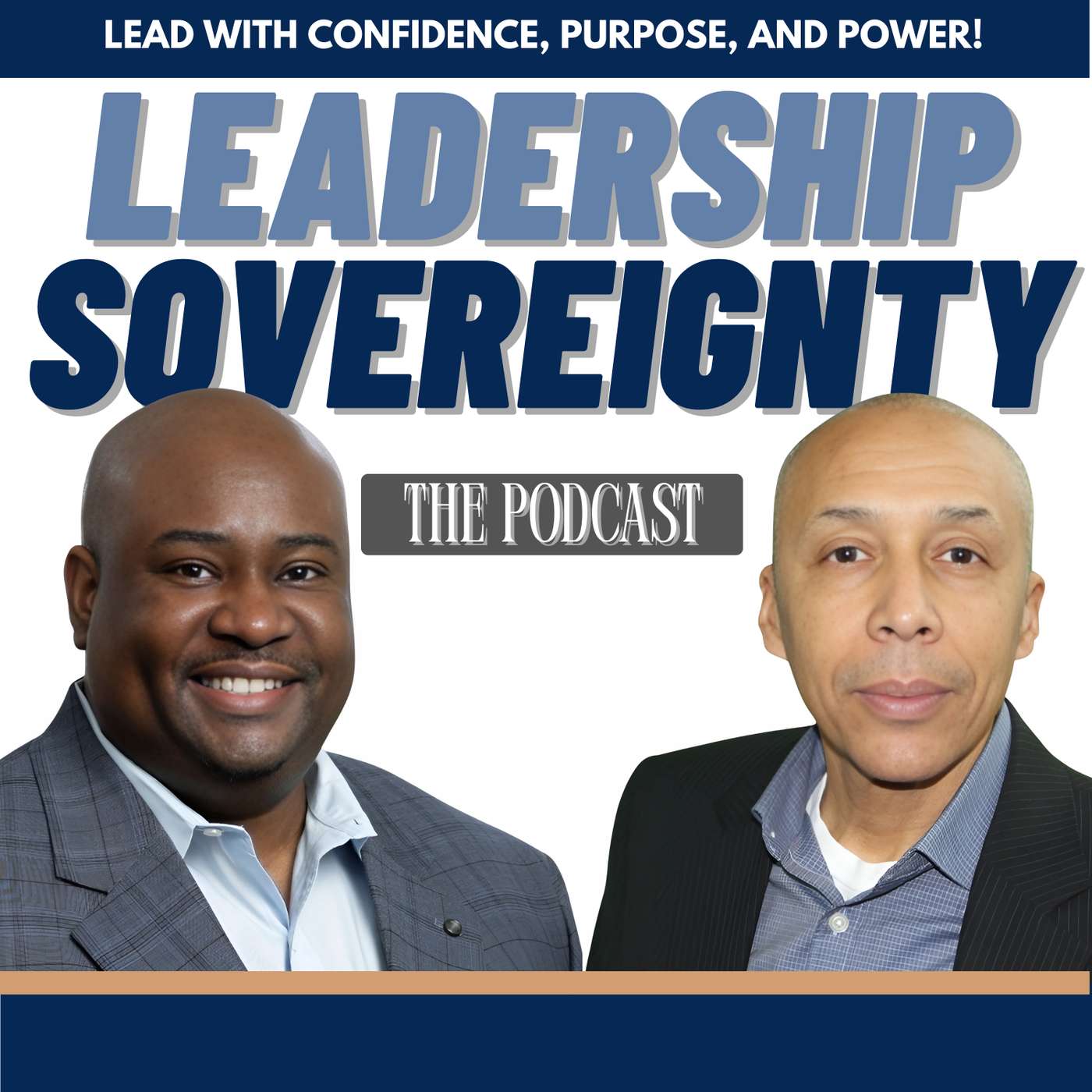



Why You're Not Getting Promoted (And What to Do About It)
CIO Rob Zelinka joins Ralph Owens and Terry Baylor to expose the real reasons talented professionals don't get promoted. From entitlement to complacency to poor visibility strategy, Rob shares the honest truths — including his own — about what keeps careers stuck and what actually moves them forward. This episode delivers the mindset shifts and tactical moves that separate professionals who advance from those who stall.






Struggling with career advancement? This episode, "Why You're Not Getting Promoted (And What to Do About It)," reveals that hard work isn't enough. Discover the critical mindset shifts, visibility strategies, and habits that truly separate professionals who advance from those who stall, offering practical advice for your next promotion.
Key Takeaways
- True career advancement requires mastering the level above your current role, not just excelling where you are.
- Entitlement based solely on credentials can signal to decision-makers that you aren't ready for the next step.
- Implementing a 'practice-at-the-next-level' framework accelerates promotion gaps more effectively than certifications alone.
- Maintaining composure under pressure is one of the most valuable and promotable qualities in any organization.
- Building strategic visibility and influence is possible without resorting to self-promotion.
Many ambitious professionals operate under the misconception that diligently working hard and accumulating credentials alone is sufficient to secure their next promotion. This widely held belief, however, falls short of the reality for those who truly advance in their careers. The individuals who consistently get promoted are not necessarily the ones with the most exceptional technical skills. Instead, they are the leaders who have mastered the art of operating, communicating, and demonstrating leadership capabilities at the level *above* their current role.
In this pivotal episode of the Leadership Sovereignty Podcast, host Ralph Owens and co-host Terry Baylor engage in a candid and insightful career conversation with transformational CIO, Rob Zelinka. Rob draws from his extensive personal experience, including a critical period where he recognized he had remained in a role for too long, leading to a significant loss of passion and purpose. He shares the profound journey of having to meticulously rebuild himself from the inside out. The cost of ignoring such signals is substantial; complacency, often disguised as loyalty, can ultimately hinder your career progression more than actively seeking new opportunities ever would.
For any professional serious about accelerating their career and achieving that next promotion, this episode is a must-listen. It unpacks the essential mindset shifts, strategic visibility tactics, and consistent daily habits that differentiate high-achievers who move forward from those who become stagnant.
Key Insights for Career Advancement
In this episode, you will discover:
- The critical importance of overcoming self-imposed limitations as the primary prerequisite for career advancement.
- How a sense of entitlement, often derived from credentials, can inadvertently signal to decision-makers that you are not yet prepared for greater responsibility.
- The practical framework of practicing at the next level, a strategy proven to bridge the promotion gap more effectively than any certification alone.
- Why maintaining composure and calmness under pressure is one of the most valuable and promotable qualities within any organization.
- Actionable strategies for building strategic visibility and influence without resorting to overt self-promotion.
- How to discern when your tenure in a particular role has reached its natural conclusion and the courage required to act on that realization.
Who Should Listen to This Episode?
This episode is specifically designed for professionals who:
- Consistently work hard but find themselves repeatedly passed over for promotions.
- Are currently in director or senior management positions and are eager to close the gap to the executive level.
- Aspire to build greater influence and develop executive presence authentically, without relying on self-aggrandizement.
- Harbor a suspicion that they may have remained in their current role for an extended period.
👤 View Rob Zelinka's guest profile, resources, and contact information.
🧾 Chapters
- (01:22) - Why You're Not Getting Promoted
- (05:51) - Recognizing When to Move On
- (07:12) - The Importance of Reinvention
- (12:40) - Aligning Work with Career Growth
- (18:07) - Increasing Influence at Work
- (21:02) - Staying Calm Under Pressure
- (25:35) - Weekly Productivity Systems for Growth
📺 Watch This Episode on YouTube
Click here to watch the full video of this episode.
🌐 Visit the Leadership Sovereignty Hub
Everything you need to lead with clarity, confidence, and strategy — in one place.
https://www.leadershipsovereignty.com
- Listen to or watch our full episode library
- Download free leadership frameworks, guides, and tools
- Read in-depth show notes and guest takeaways
- Submit your leadership questions or episode topic suggestions
📩 Get Every Episode Delivered to Your Inbox
Join the Leadership Sovereignty newsletter and receive new episodes, leadership insights, and exclusive resources. Plus, get instant access to our free AI Toolkit: the practical guide smart professionals use to think clearer, communicate better, and make smarter decisions at work.
⭐ Help a Leader Find This Show
If this episode provided significant value to your leadership journey, please take a moment to leave a rating or review. Your feedback helps put this content in front of another professional who needs it.
🟣 Leave a Review on Apple Podcasts
🟢 Leave a Rating on Spotify
✍️ Leave a written Review
🔁 Know Someone Who Needs to Hear This?
Share this episode with a colleague, mentor, or team member who would benefit from this crucial conversation. True leadership growth happens when we invest in the development of those around us.
📲 Follow the Conversation
Stay connected and join the ongoing leadership dialogue on social media.
▶️ YouTube
🔗 LinkedIn
📸 Instagram
🎵 TikTok
🧵 Threads
🐦 X
📘 Facebook
🎤 Work With Ralph & Terry
Seeking dynamic speakers for your upcoming event or leadership summit? Ralph and Terry offer executive-level insights, practical leadership strategies, and an engaging presence designed to inspire action in your audience.
💰 Support Independent Leadership Media
This podcast is independently produced to ensure content remains unfiltered and genuinely audience-focused. If these conversations are instrumental in improving your leadership, your support directly fuels the creation of future episodes.
📄 Full Episode Transcript
Click here to view the episode transcript.
Frequently Asked Questions
What's the biggest mistake professionals make when seeking a promotion?
Many believe hard work and credentials alone guarantee advancement. However, professionals who advance are those who master operating, communicating, and leading at the level above their current role.
How can I increase my influence without seeming self-promotional?
Focus on building strategic visibility by consistently delivering high-impact work and demonstrating leadership qualities. This allows your contributions to speak for themselves and build influence organically.
What does it mean to practice at the next level?
It means proactively taking on responsibilities, demonstrating skills, and adopting the mindset of the role you aspire to. This closes the promotion gap faster than acquiring new certifications.
When is it time to move on from my current role?
You should consider moving on when you've stayed too long, lost your passion and purpose, or recognize that complacency is disguised as loyalty. It's crucial to have the courage to act when your season in a role is over.
Rob Zelinka (00:00)
unless we're willing to get out of our own way, we'll continue to make the same mistakes over and over.
I lost my passion. I lost my purpose. I was sucked into everything I worked to train people to avoid,
I stayed too long. I got comfortable. I got complacent.
Ralph Owens (00:17)
If you're a professional who works hard, shows up every day and still can't figure out why the promotion keeps going to someone else, this episode was recorded exactly for you. Our guest, Rob Zelenka, is a CIO with over 30 years of experience leading at the highest levels. In this conversation, he gets uncomfortably honest about the real reasons talented people stall, including the moment he had to admit it happened to him. By the end of this episode, you'll know exactly what's blocking your next promotion.
and you'll have a clear framework for closing that gap before your next performance review. Let's go.
Ralph Owens (01:23)
All right, so Let's jump to the next point. Why you're not getting promoted.
Terry Baylor (01:24)
It is.
Ralph Owens (01:28)
even though you work hard. Rob, you kind of touched on that a little bit, right? As to, you know, some people believe that because they're busy, then they should be promoted. But why is it that, you know, for people like that, they get stagnant in their career? Why is that?
Rob Zelinka (01:44)
Yeah, well, again, I think sometimes people get in their own ways. So I'll go back to again, a sports analogy. Sometimes we need to be humbled. You know, we might feel we're at the peak of our game where we, we, never lose. And all of a sudden we lose. was sharing with my son, he was shocked, you know, the 2004, uh, men's
Olympic basketball team did not win the gold medal, they won the bronze. And my son was like, really? And I said, yeah, really. And he Googled it. And he said, LeBron James was on the team. I said, yeah, he was. And I said, and they lost. And they lost convincingly. I think it was to Puerto Rico, actually. And he said, that's amazing. I said, yeah. But that humbled them. And that meant they recognized at that moment in time that
Ralph Owens (02:25)
Mmm.
Rob Zelinka (02:29)
They got in their own way. And so oftentimes, unless we're willing to get out of our own way, we'll continue to make the same mistakes over and over. as someone that evaluates leaders and people, you have to determine not just can the person perform at that level, but can they perform consistently at that level? And will they represent our company, our team, our customers?
Ralph Owens (02:30)
Hmm.
Mm-hmm.
Mmm.
Rob Zelinka (02:54)
at the level we need them to represent us as. And so oftentimes you end up as a leader evaluating people and it's the same as a coach. You have to evaluate who has the best mind for the game. It gives you an ability to drive the outcomes that you're trying to drive for. And I think those are the fundamental things that prevent people from being promoted. There are people that
Ralph Owens (02:56)
Mm-hmm. Mm-hmm.
Mm.
Mm-hmm.
Rob Zelinka (03:21)
And we come across these people often in our lives. They're entitled. Wow. I tell you what, those are the hardest people to work with. When there's a sense of entitlement, hey, I went to school, I got this degree, I amassed these certifications, I have these awards, these credentials. Fantastic. And again, another harsh, my team refers to these as Robisms, okay? These are things that I say that are funny, confusing,
Ralph Owens (03:29)
Mm-hmm.
Mm-hmm.
Rob Zelinka (03:49)
frustrating. So one day we were talking about network routing. If you want to be more bored, get into a room with a bunch of network architects and start talking about routing. And so I asked a simple question, how come we're doing it this way? Have we considered this way? And my position was I'm seeking to understand, not seeking to challenge. This man, young guy, slid his business card across the table.
Ralph Owens (03:56)
You
Right.
Thank you.
Rob Zelinka (04:14)
and it has his
name on it, and I'm looking at it. And then he took a pen and he circled four numbers, CCIE, right? And I looked at it and I said, I'm not following you. I said, prisoners have numbers too. What are you trying to say to me, right? And the whole room, so there was two types of personas in that room at that moment in time.
Terry Baylor (04:20)
See, knew it.
Ralph Owens (04:21)
And now...
Rob Zelinka (04:37)
You could tell the air came out of the room. Some people laughed. Other people wanted to laugh, but didn't want to laugh for fear of what would happen if they laughed, right? But let me tell you, that was the moment that set that person and I up for success because he needed to be humbled. No one had the courage or the commitment to humble him. And he and I became the best of friends and
Ralph Owens (04:39)
Mm-hmm.
Yeah.
Mm.
Mm-hmm.
Rob Zelinka (05:03)
That person has followed me multiple times in my career because I believe in him and he believes in me and together we're better than if we were separates doing it on our own.
Ralph Owens (05:14)
Wow, that is a fantastic story. man, man. It also brings to mind for me too, and Terry you talk about this all the time with the gentleman that you met, another thing that leads to stagnation in your career is just not understanding when their season is over. Right? Understanding when, okay, I've done what I was called to do here, it's time for me to move on to this next place that's in my purpose.
Terry Baylor (05:14)
That is awesome. That's a great story. That is. That is.
Rob Zelinka (05:38)
Mm-hmm.
Ralph Owens (05:39)
⁓
And we've seen Terry and I know people who have stayed longer than they should have and and and and then it goes bad, right? You get to that point in diminishing return to where everything you do now is working against you then it's working for you. Rob, have you ever have you ever seen that in your career?
Rob Zelinka (05:54)
Not only have I seen it, I recently experienced it Ralph. And so again, another story. So I beg your indulgence. In my most recent role, I stayed too long. ⁓ I got comfortable. I got complacent. The last couple of years of my tenure at the company was just hard on me. ⁓
I lost my passion. I lost my purpose. I was sucked into everything I worked to train people to avoid, right? And eventually I did the unthinkable. I teed myself up for succession planning as being replaced. And I remember that meeting, it was a little over a year ago now, and my HR person was shocked, didn't know what was coming.
Ralph Owens (06:26)
Hmm.
Mm.
Rob Zelinka (06:43)
After that meeting with the CEO and the chief people officer and the COO, my business partner from HR said, Rob, what the hell did you just do? I said, I knew exactly what I was doing. It's time. And so then, you know, fast forward. Now I leave everything I knew for the last eight years and I'm in this unchartered water territory. And the first thing I did is I needed to reset. needed to rebuild myself, reinvent myself.
Ralph Owens (06:55)
Hmm.
Rob Zelinka (07:11)
which I've done time and time again over 30 years. And I mean, this still do because the world's evolving and shifting and changing around us. we can either, we can either become a victim of it or we can drive it. We can either disrupt ourselves or be disrupted by these forces. And I choose to disrupt myself. And so once I started the rebuild process, I had to regain my competence. had to get my swagger again, Ralph, and being around people like you was so instrumental.
Ralph Owens (07:34)
you
Rob Zelinka (07:37)
in that because what I going back to baseball, just to make sure that I'm feeding Terry's passions. I had to answer the fundamental question. Do I still have the 95 mile an hour fastball to compete at the major league level? Or is my pathway now I'm going to be a minor league athlete. So you think about the Sugarland minor league team, that team.
Ralph Owens (08:00)
Mm-hmm.
Rob Zelinka (08:01)
every now and again has a former major leaguer that's there just because they love the game and they want to play. But the level of play is very different than it is at the major league level. And so I really wrestled with, do I still have it in me? My heart is telling me I do, but is it up here? Do I have the skills and the traits to lead another team? And here's what I concluded after a deep rationalization period where I thought about it.
Ralph Owens (08:09)
Hmm.
Mm-hmm.
Mm-hmm.
Rob Zelinka (08:28)
I was vulnerable with people. That's a key with leadership too. You can't be afraid to be vulnerable. You have to acknowledge your gaps. So I went, talked to my wife about it. I talked to people like you, Ralph, about it, who I trusted, who would give me what I needed to hear, not necessarily what I wanted to hear. What I really wanted someone to tell me is, the game is past you and you've served well. You have nothing to be ashamed of.
Terry Baylor (08:32)
Wow.
Ralph Owens (08:36)
Mm-hmm.
Mm. Mm.
Rob Zelinka (08:54)
it's time for you to consider the minors. But here's what I learned. I had people telling me, Rob, for goodness sakes, you still got the fastball. You need to be at the major league level. And I really needed to hear that. And that was part of getting me where I needed to be, Ralph, mentally, physically, emotionally.
Ralph Owens (08:56)
Mm.
Hmm.
Terry Baylor (09:04)
Right.
Ralph Owens (09:12)
Mm.
That's good. That's good. man, that's so good. That's so good.
Terry Baylor (09:16)
No,
Rob, I really, really, really, really appreciate you sharing that because, and I'll share that, I made a decision that, you know what, I've been playing around with my company, but now I need to really just push it. And I had to make that decision to be in an uncomfortable spot to pursue my God-given goal or dream or passion, my God-given work. And so...
Yeah, and you have to get real real with yourself when you get out of that comfort zone. So man, I really appreciate you sharing that. Again, listeners, please take what is being shared to heart here because there's no better information than when someone is sharing from the heart, right? And real life, real tangible details about how
to recalibrate. mean, that's really what it's about. Because it happens in different stages, different moments in life, things occur where we have to recalibrate. that's a part of, honestly, it's a part of growth. That's how we grow.
Ralph Owens (10:12)
Mm-hmm. Mm-hmm.
Rob Zelinka (10:18)
Yeah,
it absolutely is. know, Terry, so when I left everything I knew after eight years, I needed something to fill the time, the gap. I needed to reestablish my purpose, professional purpose. My personal purpose is always the same. I need to be the best husband and father I can be. Because my family, those are the people I really truly work for. Those are the people that believe in me when I fail.
Terry Baylor (10:35)
Yes. Correct.
Ralph Owens (10:41)
All right.
Terry Baylor (10:41)
Yes.
Rob Zelinka (10:44)
Those are the people that believe in me, even when they're angry with me because I do something silly or say something silly. But at the end of the day, what helped me to reestablish and reconnect with my professional purpose was the creation of something I always wanted to do. I just didn't have the time for it. And that was to create a narrative that I call simply leadership, life and legacy. And the reason those three things are important is I'm a leader.
Terry Baylor (11:08)
Mmm.
Rob Zelinka (11:10)
But I also have a life and the things that we learn in our life apply to how we lead people and how we learn from those experiences. But ultimately we're all leaving a legacy behind. And so I, at a high level, the legacy I want to leave behind is I want people to know that I was a good human, that I worked hard, that I cared, that I had empathy, that when I made an unpopular decision,
Ralph Owens (11:17)
Mm-hmm. Mm-hmm.
Rob Zelinka (11:34)
It was with the knowledge and understanding of the implications of that decision on others that I didn't take it lightly. And that if I made a decision that was counter to the decision of the masses, that people knew that if it failed, I'd be the first to say the decision failed, that was on me. I should have taken into consideration the majority opinion. But that's where you establish yourself as a good leader.
Ralph Owens (11:39)
Mm. Mm.
Right.
Yeah.
Rob Zelinka (12:01)
And that's, I think essentially why people have worked with me multiple times over 30 plus years. I was just reminiscing with someone who I've known for 30 years. That man has worked with me four times over 30 years.
Ralph Owens (12:08)
Mm-hmm.
Wow.
Terry Baylor (12:15)
Wow.
Rob Zelinka (12:16)
I mean, that's an incredible commitment to another person. And when someone entrusts you with their livelihood, that's profound.
Ralph Owens (12:21)
Mm-hmm.
Terry Baylor (12:21)
Yes.
Ralph Owens (12:25)
Yeah, that's
Terry Baylor (12:26)
That's,
Ralph Owens (12:27)
huge, yeah.
Terry Baylor (12:27)
yes, yes. I love that leadership, life and legacy. So Rob, I'm already pitching, man. We're gonna have to have a leadership, life and legacy segment and you're gonna have to be on me. That's it. I love that. Yes.
Ralph Owens (12:40)
Yeah, yeah, that's beautiful. That is beautiful. That's good,
that's good. Let's jump into the next topic. So how to align your daily work with career growth, right? I love this because it really talks to reverse engineering promotion, right? Not looking at it from, I'm just gonna work hard. Well, that's not enough, right? You have to understand how you can prioritize and be strategic in your project selection. Talk about that, Rob, right?
At
some point in your career, you start to understand that just turning the widget is not going to be enough to get me promoted. I need to go volunteer for some strategic things that move the needle forward. Talk about that a little bit.
Rob Zelinka (13:21)
Yeah, sure. Ralph. So, you start by asking yourself, ⁓ I practicing at the next level? So, you know, I mentioned my son who's 11, he's playing with a 13 and under team. Why? Because that's the next level and it's hard for him. And that's why he's struggling right now, but it will get easier in time. Last year he played with a 14 and under team and quite candidly, that was a stretch. He was 10.
Ralph Owens (13:47)
Mm-hmm.
Rob Zelinka (13:48)
but he
grew as an athlete, as a leader, as a professional, we are growing too. And so by practicing at the next level, by thinking at the next level. So if you're a director right now and you aspire to be a VP or you aspire to be a CIO, in fact, one of the things I'm doing right now with the Houston CIO group, the next gen leadership team is I'm helping emerging leaders, next generation leaders.
learn the things that will provide the foundation for them to get to where they want to go. Now, I'm also sharing some of those Jedi mind tricks. I'm also sharing some of those Robisms to be funny and because you have to learn the language of the person you're speaking to. So those are the things that I stay focused on. If you're into F1, which I am, the best drivers
Ralph Owens (14:30)
Mm. Mm-hmm.
Rob Zelinka (14:38)
are looking two or three cars ahead, not the car in front of them. That's where the accident is, two or three ahead. And that's what makes them successful drivers. And if you're in your career journey, you need to be looking a layer or two ahead because that's how you're gonna get there.
Ralph Owens (14:42)
Hmm.
Mmm.
Yeah, yeah, yeah, yeah, yeah. And without being able to focus on that, you become misaligned, right? You become misaligned to the point of you start to head in a whole different direction than where you want to end up, right? To your point, right? I had a mentor tell me one time, he said it this way, and it's the same thing you're saying, Rob. He said, you always want to appear like you're the next person.
And what he meant by that was if your desire is to be in the next role that your boss is in, right, you want to be acting on that level so that if that person walks away, when everybody looks and says, who's the next person? It's obviously you because you're already working on that level.
Rob Zelinka (15:32)
And there's one other dynamic there I think that's important. You have to have good rigor, good habits. So if you aspire to play at the next level of, then you have to be very strategic on your work ethic. You need to take swings. It's interesting. And I know it's, I keep going back to my son who's 11. He's our everything right now that our older children have successfully navigated their.
their path into adulthood and being productive humans in our world. He tried out for the little league team, little league team for him is fun. It's not as serious. It's not as stressful, but you could see him like he was in the on deck circle and he was sizing up the pitcher and he has swing. And you, I said, I said to his coach at the travel team, I said, thank you so much coach Snipes for being the man you are and investing in our son. can see the impact he you've made on him.
Because he like, he's going out there. It's one thing to look the part. You can put eye black under your eyes. You can, I'm learning this new language guys. My son refers to it as being dripped up. Dripped up means you look cool. Yeah. Right. That only gets you so far, right? You can look the part and people will give you the benefit of the doubt until you, can't, right? You got to be able to act the part.
Ralph Owens (16:30)
you
Hmm.
Terry Baylor (16:37)
You gotta get dripped. Oh yeah. Yes, sir. Yes, sir. Miss Drip is nice.
Ralph Owens (16:38)
you
Right.
Terry Baylor (16:47)
Yep. Yep. Yep.
Rob Zelinka (16:52)
And so seeing him out there acting the part, taking the swings like you would if you were 14 and under. Same way in your career. If you aspire to be a VP and you're a senior manager, you need to start practicing and acting like a VP. If you aspire to be a C level, you need to act like a C level if you're a director.
Terry Baylor (16:52)
That's true.
Ralph Owens (17:08)
That's it.
That's right. That's right. I started almost impersonating some of the things. I started taking the things that I see them do. How do they dress? How's that different from the way that I dress? How do they speak when they're in a room? How's that different from the way that I speak? Right? And start, you know, and I'm not saying lose your own identity, right? But there are certain qualities that you can start to take and start to add that to yourself. And guess what?
people will start to see you on that level once you start to perfect those things. So I appreciate that. That's good stuff. So let's move to the next topic. So how to increase your influence at work without working longer hours. I love this, because this is about being strategic, 100 % strategic, having influence versus output, and the difference there. Because again, that's the difference between just being busy
right, and being impactful, right, you know, in strategic meeting participation. Terry and I talk about this all, we go back to the Jedi mind tricks, right Rob? I mean, you know, how to, you know, ask the right questions to actually guide the conversation in a certain direction so that it can be impactful, right? You know, so like what behaviors for you over your career have helped to increase your influence?
Rob Zelinka (18:19)
Yeah, so I'll refer to it this way, Ralph, having proximity to the decisions, where the action is, you know, in Six Sigma training, you learn about the Jemba walk. That's where the action happens. That's where the challenges are. Now it's really important as well that there's some ethical visibility in the mix.
Don't compromise what you stand for and what you believe in. If you stand for nothing, if you don't stand for something, you stand for nothing, right? So be who you are, be true to yourself. And so when you blend those things together, what you're ultimately doing is you're treating visibility as a strategic communication tool rather than a tool that is going to self promote you. You don't have to self promote yourself to some degree. That will happen on its own.
Ralph Owens (18:50)
Mm-hmm.
Hmm.
Mm.
That's so good.
Rob Zelinka (19:07)
People will
lift you up in a room. People will ask for your presence at the table. People will ask for your input on a decision. And if they're not, that should tell you something. They're not listening to you. They might be hearing you, but they're not listening. And there is a fundamental difference between listening and hearing. And my wife will tell you this. I hear her all the time.
Ralph Owens (19:16)
Mm-hmm.
Mm, it's Mm. Mm.
Terry Baylor (19:29)
Mmm, yeah.
Ralph Owens (19:30)
Mm-hmm.
Rob Zelinka (19:34)
but she accuses me of not listening because she has to repeat herself.
Ralph Owens (19:38)
Yeah, yeah, that's good. So the strategic part of that is being listening, right, so that you can make sure that you understand clearly what's being communicated and to be able to function and act off that. That is powerful. That's powerful. It's the ability to build visibility, Rob.
is definitely one of your strategic superpowers. And understanding that just coming in and turning the widget and never talking to anybody is never gonna get you anywhere in your career. It'll get you a paycheck because that's what they're contractually obligated to do. You work, they pay you. But if you want to actually get some, and people forget this all the time, and I harp on this, people are people first.
We look at these titles and we look at all the responsibilities that they have or maybe conversation that they're making. We think that there's some kind of super, this or that, but they're human first. And human connectivity will trump education. It'll trump all kinds of things. So I think that is just fantastic. That's just fantastic. That's fantastic.
Terry Baylor (20:19)
Yes.
Rob Zelinka (20:27)
Yeah. Yeah.
Ralph Owens (20:40)
So let's move on to the next ⁓ point, how to stay calm and focused under pressure at work, right? Critical skill, especially if you wanna get promoted because...
And I've heard it said this way, when there's a crisis, nobody cares what your rank is. They care about who's going to be the leader. Talk about how emotional reactivity can damage credibility in the workplace,
Rob Zelinka (20:54)
Yeah. Yeah.
Yeah. Yeah.
Yeah. I, calmness ultimately builds trust and it also instills a sense of reliability, which I would submit are from foundational for long-term authority. I'll give you an example of this. We've all been in an area that's unfamiliar, not well lit, maybe completely dark. Think of yourself walking up a set of stairs and you're with a small child and the child is anxious, starting to cry.
because they're in an unfamiliar area. You are the sense of calm for them. What would happen if you started crying and started to show anxiety? The child would now lose any sense of confidence, any sense of reliability. And you might be terrified of yourself, Ralph, but you have to have some situational awareness there. And so as a leader, but there's a balance, right? So now I've shared that end. Let me go to the other end.
Ralph Owens (21:34)
Mm-hmm.
Mm.
So true.
You're right.
Rob Zelinka (22:01)
When I first moved to Houston, almost 15 years ago now, I was responsible for this team, 40 people. We lived in what we called the fishbowl. So we all sat in this open area that was walled off with glass partitions and invariably people would come in for help, for support. And one of my people said to me, Rob, we don't see you as a human. And I said, what do mean? And he said,
Ralph Owens (22:18)
Mm-hmm.
Rob Zelinka (22:25)
you never show any emotion, you never get upset, you never tend to react, you're always pretty monotone. And I pondered that, Ralph, and I put a bookmark in that chapter. And so one day, one of our executives came in as a peer of mine, and she was very demanding and more so very disrespectful to people.
Ralph Owens (22:31)
Mm.
Rob Zelinka (22:46)
started name dropping, using colorful language. And I sat in the far back and I was just taking it all in. And I said to myself, this is an opportunity. And so I got up and I said to her, I said, look, we understand your frustration. We're here to help, we're here to serve, but you will not be disrespectful to these people. These people were working hard.
Ralph Owens (22:53)
Mm-hmm.
Hmm.
Rob Zelinka (23:09)
They're here serve and support, but they are not here to be treated this way. And we gave her what she needed. She walked out and literally, and I walked out too. And what I didn't recognize at the time was that was the moment that my credibility rose because they saw a side of me they hadn't seen before. But you got to pick and choose those spots, Ralph, ⁓ because if you're,
Ralph Owens (23:25)
Hmm.
Right.
Good.
Rob Zelinka (23:34)
If you're one side or the other, you're on this side, you're too passive and you're, you don't have the backbone to stand up when you need to stand up. if you're too aggressive on the other side, then people look at you as potentially being unreasonable. And it's very hard to have a reasonable conversation with an unreasonable human.
Ralph Owens (23:37)
Mm-hmm.
Mm-hmm.
Mmm, yeah.
Yeah, yeah, no, absolutely. So what I'm hearing out of that is that stability brings a level of executive presence, right? Because again, if you're looking for someone to promote and you want to make sure that you can trust this person to handle it, you're looking at how they deal with stressful situations or things like that. To your point, your story was spot on. I bet that builds such a level of credibility that your team will follow you through any fire, right?
because
they know that you're gonna stand up and protect them. But I remember a guy told me one time, he's like, I'm never too high, I'm never too low, I keep it right in the middle. And at the time, I didn't realize what he was doing was dropping a nugget for sustainability over time for me. But I've come to adopt that, so I appreciate that. Now, that's really good because calm leaders are the ones who are promoted into complexity.
Rob Zelinka (24:36)
If.
And I would submit
to you, Ralph, we see the true mark of a human during times of duress, not when everything is good. know, most anyone can drive the car, navigate the boat or vessel in calm waters. It's the ones that have to navigate a storm, a pothole, dynamics that are out of their control. Those are the ones that really shine.
Ralph Owens (24:51)
Yes.
this room.
Mm.
Yeah, yeah, yeah, no, that's good. That's good, that's good. So let's wrap up on our final point of weekly productivity systems for career growth, right? We've been talking about focus and things of that nature. I think a self audit review is something that I know that I've used a lot. So what does weekly focus reset look like for you,
Rob Zelinka (25:34)
Yeah, well, we have to be intentional and purposeful in our efforts. we also have to be disciplined. and some of this stuff is basic blocking and tackling, so to speak, or what I call hygiene. So think about it this way, Ralph, most humans get up every morning, well-intended, they, brush their teeth and they comb their hair. Those are foundational elements. Those in some regards are those ruthless priorities. said,
Ralph Owens (25:57)
⁓ Yeah, yeah.
Rob Zelinka (25:57)
You know, so no matter what happens in life, you're going to start there, right? If you
start with a good foundation there, then that allows you to reset when you need to reset. It allows you to realign when you need to realign. And it also allows you to stay focused on the things that materially matter. Those imperatives that are going to move the needle for yourself as a leader, for your team that you're leading, for your clients that you're serving, your company. And then it also.
Ralph Owens (26:14)
Yes.
Mm-hmm.
Rob Zelinka (26:24)
That level of focus allows you to eliminate the distractions from every hour day week, because let's face it, there are no shortage of distractions. You probably aren't aware, but my son has popped his head in here two or three times during the course of us talking, because he wants to know when dad's going to be dad now. so I've been focused because my commitment, my investment is with you and Terry today. ⁓
Ralph Owens (26:37)
you
Mm-hmm. Mm-hmm.
Mm.
Rob Zelinka (26:49)
And yeah, those are the things that you have to do. You have to be ruthless in that regard.
Ralph Owens (26:54)
Yeah, yeah, yeah, because that discipline builds a long-term momentum, right? Because it allows you to sustain moving forward. Rob, this has been fantastic. Thank you, thank you, thank you so much for sharing your gift with the world, know, blessing us to be on the podcast. Any closing remarks for any of the listeners that you have?
Rob Zelinka (26:59)
Absolutely.
Well, thank you so much. It was an honor and a privilege. I'm humbled by the opportunity to share the things I'm passionate about. I'm still to this day, extremely passionate about serving others, sharing my life's work, my experience, learning from others. And I look forward to continuing to do that together with people like you, Ralph.
Ralph Owens (27:34)
Awesome, awesome. Well, we definitely gonna do it together. Thank you so much. And until the next time, take care and be safe everyone. Bye bye.
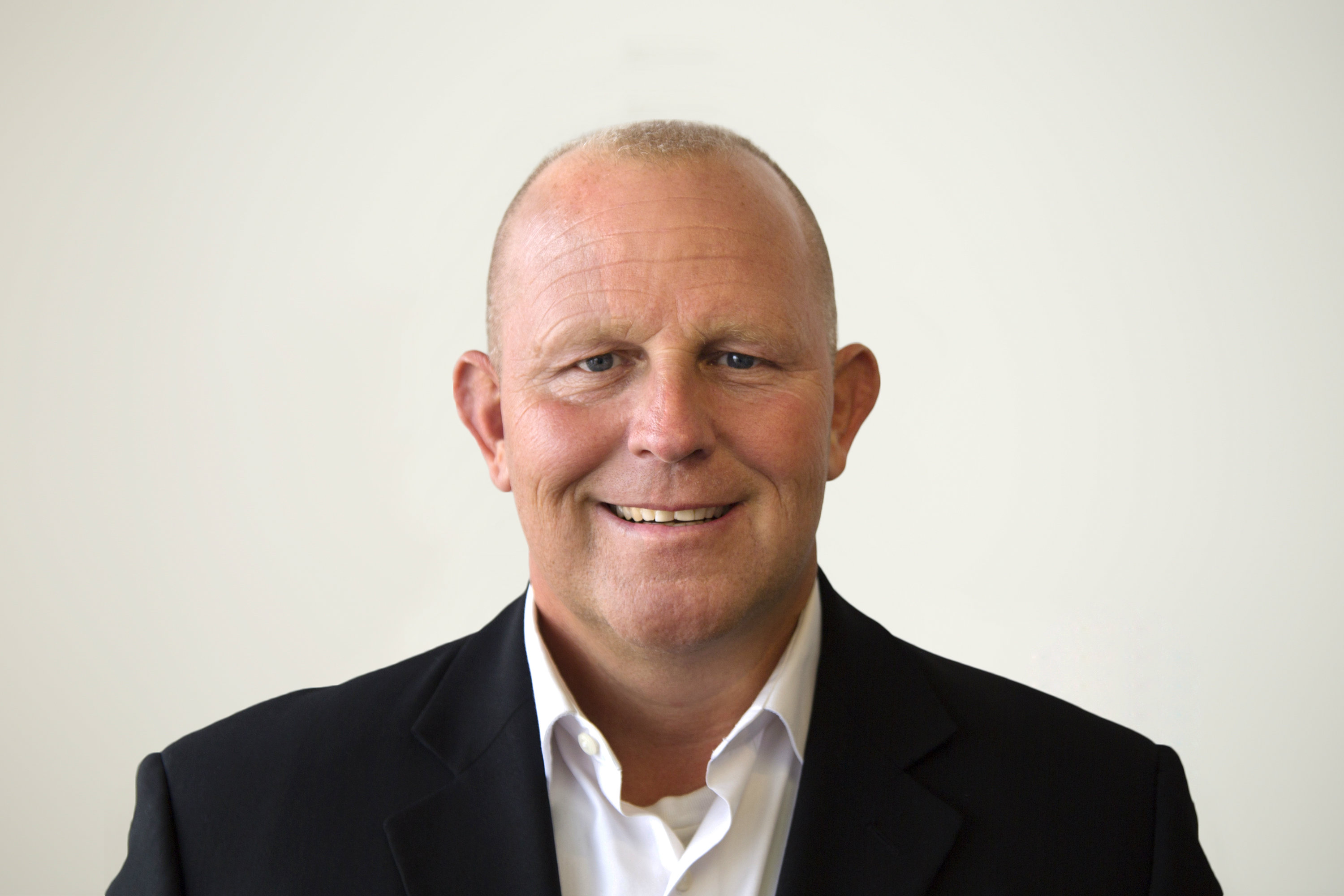
CIO/ Husband/ Father
Rob Zelinka is a transformational CIO and senior technology executive with over three decades of experience leading enterprise-wide digital, cloud, and operational strategies.
Most recently, he served as Vice President & Chief Information Officer at Jack Henry, where he oversaw technology strategy and operations at one of Forbes’ Best Places to Work. His career also includes transformative leadership roles at TechnipFMC and PROS, where he
drove operational rigor, digital innovation, and large-scale technology transformations across global organizations.
Recognized as a three-time Orbie CIO finalist and active member of the WSJ CIO Council and CNBC Technology Executive Council, Rob is a trusted voice in the future of leadership and technology. He serves on multiple advisory boards, guiding executives and organizations through disruption, growth, and cultural reinvention.
Today, Rob channels his experience into advisory services, thought leadership, and leadership development. Through his Leadership, Life & Legacy platform—including his YouTube channel—he shares practical insights, personal reflections, and lessons learned from both the boardroom, the baseball field, and beyond. A former professional umpire,Rob uses sports metaphors and storytelling to illuminate the human side of leadership, helping others lead with clarity, courage, and connection.
At the core of Rob’s work is a belief that transformation begins not with technology, but with people. His approach blends strategic insight with relational intelligence, empowering …Read More