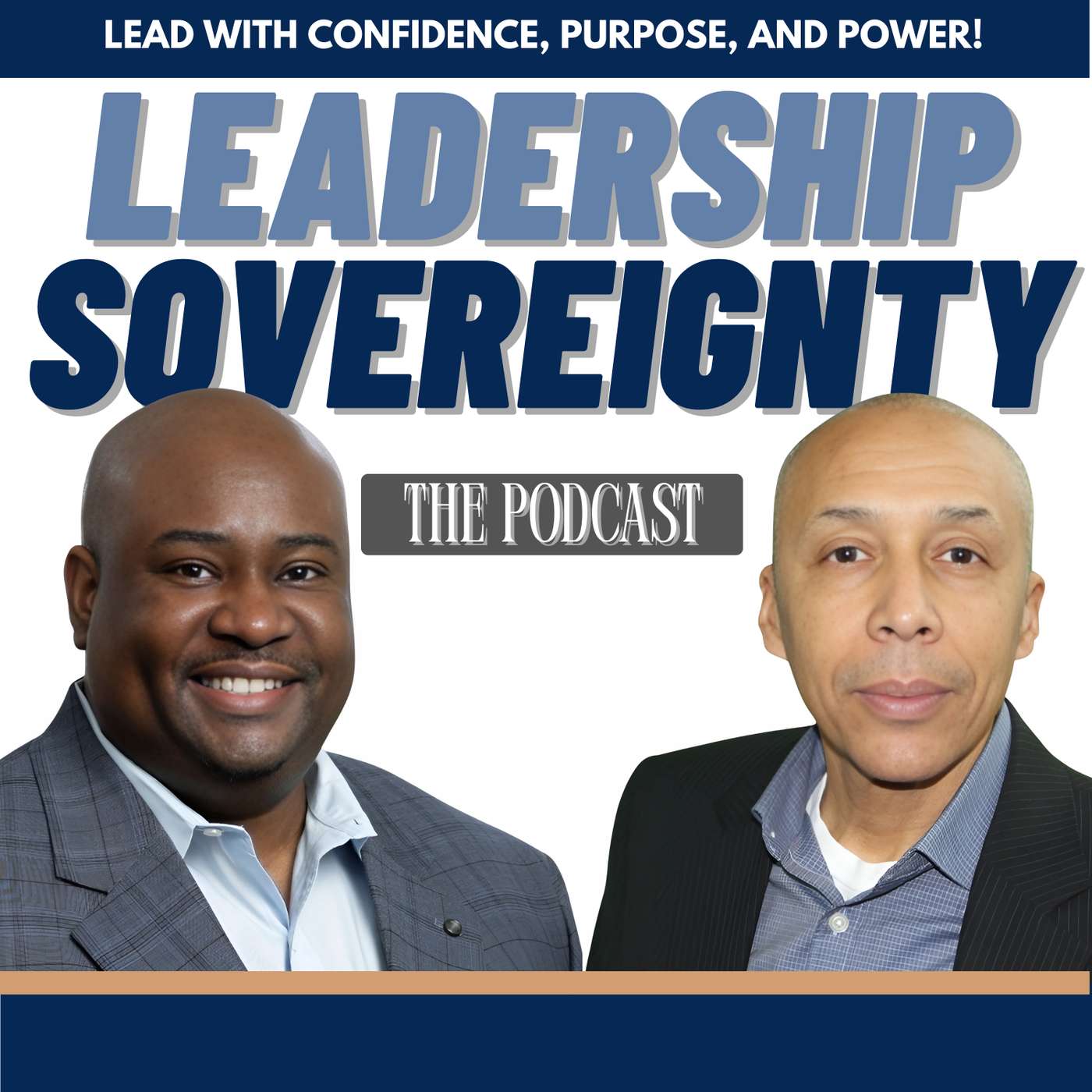


The Focus Crisis: How to Say No at Work and Get Promoted for It


Discover how to overcome "The Focus Crisis: How to Say No at Work and Get Promoted for" it in this episode of the Leadership Sovereignty Podcast. Learn why professionals fear saying no, the cost of that fear, and how strategic redirection builds credibility and accelerates your career.
Key Takeaways
- Fear of saying no often stems from a misunderstanding of its impact on career progression.
- Distinguish between mere productivity and true promotability by focusing on high-impact work.
- Master the art of redirecting requests gracefully to protect your priorities without damaging relationships.
- Building psychological safety and trust with your team is crucial for making your 'no' respected.
- Learning to say no to less important tasks is essential for saying yes to opportunities that drive promotion.
The Focus Crisis: How to Say No at Work and Get Promoted
In today's professional landscape, many ambitious individuals find themselves caught in a cycle of saying 'yes' to every request, only to wonder why career advancement remains elusive. The Leadership Sovereignty Podcast, hosted by Ralph Owens and Terry Baylor, tackles this common yet often misunderstood career challenge head-on in this pivotal episode. Joined by veteran CIO Rob Zelinka, with over three decades of enterprise leadership experience, the conversation delves into the critical skill of strategically declining requests at work to accelerate your career.
Understanding the Fear of Saying No
Rob Zelinka offers profound insights into why professionals across all levels hesitate to say 'no.' This apprehension often stems from a fear of disappointing others, appearing uncooperative, or damaging professional relationships. However, this fear comes at a significant cost, diverting time and energy away from high-impact activities that truly drive promotion and recognition. The episode explores how the most successful leaders master the art of redirecting requests without outright resistance, effectively protecting their core responsibilities while simultaneously building trust and credibility with senior leadership.
From Productive to Promotable
A key theme explored is the crucial distinction between simply being busy and being genuinely promotable. While constant activity might feel productive, it doesn't always translate to the strategic contributions that command promotions. This episode equips listeners with the understanding and tools to differentiate between tasks that move the needle and those that merely fill time. You'll learn how to identify 'steady Freddys' – those who are consistently reliable but may not be demonstrating leadership potential – and how to cultivate an environment where strategic thinking is prioritized over reactive busyness.
Redirecting Without Resisting
Learn practical strategies for redirecting requests in a way that maintains positive relationships and builds respect. Saying 'no' to the wrong opportunities is, in essence, saying 'yes' to the right ones – those aligned with your career goals and highest impact areas. The conversation emphasizes the importance of psychological safety and trust within teams; when these elements are present, a well-reasoned 'no' is not only accepted but respected.
The Human Side of Leadership and Growth
Beyond tactical advice, this episode delves into the deeply human aspects of leadership. Ralph Owens shares a personal story about navigating grace with his father, highlighting the importance of understanding and empathy, even in challenging relationships. Rob Zelinka concludes with a powerful, decades-in-the-making story involving his own father, underscoring how our responses to adversity, rather than the adversity itself, truly define our leadership potential. This blend of strategic insights and personal reflection provides a holistic approach to career acceleration.
Who Should Listen?
This episode is essential listening for any professional who:
- Feels overwhelmed by constant requests and fears political fallout from pushing back.
- Is working diligently but not receiving the recognition or promotions they deserve.
- Leads a team and aims to foster strategic thinking and model effective prioritization.
- Is transitioning from an individual contributor role to an executive leadership position.
- Seeks to build the kind of deep-seated credibility that leads to promotion opportunities before they are even formally announced.
If you've been stuck in a loop of saying 'yes' to everything without seeing career progression, this conversation on The Focus Crisis: How to Say No at Work and Get Promoted will fundamentally shift your perspective on career growth and strategic leadership.
Guest Profile
Episode Chapters
- (00:03) - Introduction to Career Growth
- (02:02) - The Fear of Saying No
- (04:53) - Strategic Thinking in Leadership
- (07:52) - Building Psychological Safety
- (11:57) - The Jedi Mind Trick of Leadership
- (13:13) - Productivity vs. Promotability
- (15:47) - Leadership Styles and Growth
- (18:32) - The Power of Belief
- (21:15) - Lessons from Parenting
- (25:01) - A Father's Pride
- (30:02) - Forgiveness and Understanding
- (30:58) - Closing Thoughts and Resources
Watch This Episode on YouTube
Click here to watch the full video of this episode.
Visit the Leadership Sovereignty Hub
Everything you need to lead with clarity, confidence, and strategy — in one place.
https://www.leadershipsovereignty.com
- Listen to or watch our full episode library
- Download free leadership frameworks, guides, and tools
- Read in-depth show notes and guest takeaways
- Submit your leadership questions or episode topic suggestions
Get Every Episode Delivered to Your Inbox
Join the Leadership Sovereignty newsletter and get new episodes, leadership insights, and exclusive resources — plus get instant access to our free AI Toolkit: the practical guide smart professionals use to think clearer, communicate better, and make smarter decisions at work.
https://www.leadershipsovereignty.com/newsletter
Help a Leader Find This Show
If this episode added value to your leadership journey, take 60 seconds to leave a rating or review. Every review puts this content in front of another professional who needs it.
- 🟣 Leave a Review on Apple Podcasts → https://www.leadershipsovereignty.com/apple
- 🟢 Leave a Rating on Spotify → https://www.leadershipsovereignty.com/spotify
- ✍️ Leave a written review → https://www.leadershipsovereignty.com/reviews/new/
Know Someone Who Needs to Hear This?
Share this episode with a colleague, mentor, or team member who would benefit from this conversation. Leadership grows when we invest in the people around us.
Follow the Conversation
Stay connected and join the leadership conversation on social media.
- ▶️ YouTube → https://www.youtube.com/@LeadershipSovereignty
- 🔗 LinkedIn → https://www.linkedin.com/company/the-leadership-sovereignty-podcast/
- 📸 Instagram → https://www.instagram.com/leadershipsovereignty
- 🎵 TikTok → https://www.tiktok.com/@leadershipsovereignty
- 🧵 Threads → https://www.threads.net/@leadershipsovereignty
- 🐦 X → https://www.x.com/LdrSovereignty
- 📘 Facebook → https://www.facebook.com/profile.php?id=61573573740079
Work With Ralph & Terry
Looking for dynamic speakers for your next event or leadership summit? Ralph and Terry bring executive-level insight, real-world leadership strategy, and an engaging presence that moves audiences to action.
https://www.leadershipsovereignty.com/speaking-engagement-request/
Support Independent Leadership Media
This show is independently produced to keep the content unfiltered and audience-first. If these conversations are helping you lead better, your support directly funds the next conversation.
Full Episode Transcript
Click here to view the episode transcript.
Frequently Asked Questions
Why are professionals afraid to say no at work?
Professionals often fear saying no due to concerns about appearing uncooperative, not wanting to disappoint others, or a misunderstanding of how it impacts their visibility and career progression. This fear can lead to overcommitment and burnout.
How can saying no lead to a promotion?
By strategically saying no to lower-priority tasks or requests that don't align with your core responsibilities or growth objectives, you free up time and energy to focus on high-impact work. This focus demonstrates strategic thinking and makes you more valuable, positioning you for promotion.
What's the difference between productivity and promotability?
Productivity often means completing many tasks, while promotability means focusing on the right tasks that deliver significant value and align with leadership goals. Leaders look for those who are promotable, not just busy.
How do you say no without damaging relationships?
Effective 'no's' involve redirecting without resisting. This means acknowledging the request, explaining your current capacity or priorities respectfully, and perhaps suggesting an alternative solution or a different timeline. Building trust makes your 'no' more respected.
00:03 - Introduction to Career Growth
02:02 - The Fear of Saying No
04:53 - Strategic Thinking in Leadership
07:52 - Building Psychological Safety
11:57 - The Jedi Mind Trick of Leadership
13:14 - Productivity vs. Promotability
15:47 - Leadership Styles and Growth
18:32 - The Power of Belief
21:15 - Lessons from Parenting
25:01 - A Father's Pride
30:02 - Forgiveness and Understanding
30:58 - Closing Thoughts and Resources
Rob Zelinka (00:00)
I think there's a difference between being productive and promotable.
Ralph Owens (00:04)
If you're a professional who constantly delivers results but keeps getting passed over for a promotion, this episode is going to change the way you think about your career. Rob Zelenka is a CIO who spent 30 years leading enterprise technology teams who learned the hard way that being the hardest worker in the room is not what always gets you to the next level. Today, he breaks down the strategic skills that separate people who do great work from the people who actually get promoted for it.
By the end of this conversation, you'll have a framework for seeing know at work that protects your priorities, builds credibility with your leadership, and positions you as the strategic thinker that they want to promote.
Rob Zelinka (01:20)
Yeah, Patti
Allerello is the person that mentored me. She's written several books, just a spectacular leader. She is so versed and skilled at getting the most out of people. And here's the challenge, the higher up you go in your career, the more prone you are to this, for lack of a better word, godlike concept. Hey, I got here, you know, I know what I'm doing. Sometimes we need to be humble.
Ralph Owens (01:33)
Mm. Mm-hmm.
Terry Baylor (01:44)
Mmm
Ralph Owens (01:45)
Mmm.
Rob Zelinka (01:49)
And Patty was the person that humbled me ⁓ at a stage in my life where I needed.
Ralph Owens (01:49)
Absolutely.
Wow, wow, that's heavy, that's heavy. Thank you for sharing that. That's awesome, that's awesome. So let's move on to the next point. How to say no it work without hurting your career. This is a good one.
Terry Baylor (01:59)
That is... ⁓
Mmm,
ooh boy.
Ralph Owens (02:08)
This is a good one,
this is a good one because a lot of people fall into that trap of, I gotta say yes to everything, otherwise they're gonna look at me as incompetent or that I'm not good enough for the role and things of that nature. ⁓ know, why are professionals so afraid to say no in the workplace?
Rob Zelinka (02:27)
Yeah. Well, Ralph, it's basic fear. No one wants to be viewed as the person of no, the fear of refusing a task. How will that damage my reputation of being a team player? Will someone ⁓ not come to me? You know, it goes back to as children, ⁓ you know, if we played a sport, baseball, basketball, ⁓ by the way, I was not a good basketball player.
because I was the shortest kid on the team. But I finally got thrust into the game and I was afraid. What was I afraid of? Failure. And so at the end of the day, ⁓ I think we have to learn how to manage our fears, our anxieties. ⁓ Failure is okay. We're gonna fail. We learn from the failure. We grow from the failure. But I think at the root, Ralph, people...
Ralph Owens (03:13)
Mm.
Rob Zelinka (03:22)
often are afraid to say no for the fear of what that will mean to them. Will somebody pass them over for that next promotion or next task? Will they get demoted?
Ralph Owens (03:26)
Mm.
Mm-hmm.
Mm Yeah, that's good. That's good.
Terry Baylor (03:35)
How do you,
I got a question around there, Rob. So you have a person who, let's say that they have, you know, just always performed, right? And I think one of the things that I definitely wanna kind of, you know, bring out, cause I think this is one of the things as I was in management and leadership, executive management, how do you continue to, you know, you have so many wins behind you, right?
how do you continue to pursue the wins ahead of you? on one end, you have a precedent that you've set, right? How do you continue to maintain that thrust in the, now with the framework of, this one, I just can't support. How do you leverage your wins
to balance the no, I guess is what I'm trying to say. How can someone do that? Because not every decision that your leader has brought to you, you've always been on board with. I mean, how do you navigate it?
Ralph Owens (04:37)
Mm.
Rob Zelinka (04:49)
Yeah, it's really a profound question, Terry. At the end of the day, I go back to the KPIs, the metrics that are materially important, the needle movers for our company, for the people we serve, the communities we're in. At a high level, it's a strategic negotiation, quite candidly. It's about redirecting without resisting to protect the space that we need for
Terry Baylor (05:15)
Mmm.
Ralph Owens (05:15)
Mmm.
Rob Zelinka (05:18)
essentially what are our core responsibilities. And I think when leaders see that we have the capability of thinking in a bigger context, seeing the bigger picture, so to speak, they recognize that sometimes saying no is the right thing. And I often say this, as long as we have situational awareness,
Ralph Owens (05:21)
Mm-hmm.
Mm-hmm.
Mm-hmm.
Rob Zelinka (05:47)
By saying no to this, we're probably saying yes to something else. We wanna make sure that the yes we're committing to is the right yes.
Ralph Owens (05:49)
Hmm.
Mm-hmm.
Terry Baylor (05:52)
Mmm.
Ralph Owens (05:56)
That's so good. So let's just dig into that just a little bit more because I think you touched on something very profound. You said that as a leader, you you've had people who were direct reports to you, people who you may say, hey, I want to do this. I want to do that. And they actually say no. They're not saying no to say I'm being disrespectful or defiant, but they're saying, Rob, I would recommend that we probably focus on this to tell the people why that's such a critical
Terry Baylor (05:58)
Yes.
Ralph Owens (06:26)
skill to have if you want to be promotable.
Rob Zelinka (06:29)
Yeah, yeah. And Ralph, this takes a little time. So anytime I come into a new organization, ⁓ people are getting to know one another. And sometimes there's barriers that have to be broken down. So for example, ⁓ in the last two organizations I was a part of, I had to break down barriers from prior leaders who had more of a command and control style of leadership.
Ralph Owens (06:54)
Mm-hmm.
Rob Zelinka (06:55)
And
by the way, I had that style of leadership when I first started, ⁓ and it was beaten out of me, ⁓ not literally, but figuratively. And here's how the conversation went. I had someone below me who had retired from the military. And of course, I just thought, well, there's nothing more, there's no more profound example of ⁓ command and control style leadership than someone in the military.
Terry Baylor (07:04)
you
Ralph Owens (07:04)
you
Mm-hmm.
Rob Zelinka (07:24)
So I told him, I want you to do this. I want it to have it done. I want you to do it this way. And I want it done by this date. Do you have any questions? And his response was funny. I wasn't, I didn't find it humors at the time. I do now. He said, yeah, I have one question. Why are you asking me if I have a question, if you've told me what to do, how to do it and when to have it done by. And I thought he was kind of being, you know, a jerk and.
Ralph Owens (07:47)
Mm. Mm.
Terry Baylor (07:49)
Wow.
Ralph Owens (07:52)
Mm.
Rob Zelinka (07:55)
He pulled me aside. He said, look, Rob, I'm older than you. This is my first civilian job after retiring from the military with a storied career. I see leadership in you. And this might seem unorthodox, but I'm gonna give you ⁓ feedback. That's where I learned feedback is a gift. What we do with it, completely up to us. But I try to do everything I can with feedback because someone is investing in me and...
Terry Baylor (08:24)
Hmm.
Rob Zelinka (08:24)
They
are wanting me to be the best I can be. So to that end, I changed my leadership style the very next day. And, and so to back to your question, I try to create a culture of psychological safety where people check their egos and their titles at the door. And we are all equals there to solve a specific problem.
drive a specific outcome, but we're there together. But it takes a little time for people to believe you are what you say you are. Because if they have been in an environment where they had a command and control style leader and they were not interested in creating and fostering an environment where psychological safety is the foundation, where people can speak their mind, tell you, Rob, I don't agree. And here's why. Rob.
Ralph Owens (08:55)
Mm. Mm.
Mm-hmm.
Rob Zelinka (09:21)
I think you're missing a key element. Let me open your eyes to it. I walk in and we've heard these cliches before, Ralph, Terry, but they're so true. I really sincerely try to move into a room where I am literally the dumbest person in the room. I surround myself with people that are smarter than I am, more knowledgeable, more experienced. Why? Because I want to learn from them and I want to grow.
Ralph Owens (09:25)
Mm.
Mm-hmm.
Rob Zelinka (09:50)
and I want
them to push me in the same way I'm going to push them. That's how you build trust. If you don't have trust with your team, you are not going to execute. Going back to the football analogy, Tom Brady is not going to hand off to a running back that fumbles the ball every time he hands it off. He's not going to throw to Rob Gronkowski if he can't catch. By the way, why did he throw to Rob Gronkowski all the time? Because he caught the ball.
Ralph Owens (09:56)
Mm-hmm.
That's true.
Rob Zelinka (10:19)
and he could advance the ball. And that's how we win in life, advancing the ball.
Ralph Owens (10:20)
Mm.
That's good. That's good. That's so good.
Terry Baylor (10:24)
Yeah, Rob,
I wrote down a couple things, that are just actually three things. ⁓ I believe this is a whole topic in and of itself. Redirecting without resisting. That is profound. That is, that's. ⁓
Rob Zelinka (10:39)
Yeah.
Ralph Owens (10:43)
Terry,
we call that the Jedi. So Rob, we talk about EQ as almost a Jedi type power. And that is a ⁓ Jedi move. my god.
Terry Baylor (10:46)
That is the Jedi. Yes.
It is. It is.
Rob Zelinka (10:58)
So let
me, let me share something with you guys here. So yesterday, just yesterday, one of my people was extremely frustrated with his interaction with another executive leader at the company. And he, he's my barometer. He's the type of person that is chilled all the time. If he gets upset, you know, you have a problem. Right. And so he was, he was asking me, said, Rob, I'm just, I had to walk away. I was so frustrated.
Terry Baylor (10:59)
It is.
Ralph Owens (11:22)
Mm.
Rob Zelinka (11:29)
And I said, yeah, he says, I said, happens. And I said, let me share something with you. You have to use Jedi mind tricks. And he picked up. So again, going back to learning the person, I knew he was a huge Star Wars fan. And I said, think back to Obi-Wan Kenobi and what he taught. You have to learn the language of the person, how they operate, what motivates them and speak in that language.
Ralph Owens (11:37)
You
Terry Baylor (11:37)
Ha!
Mm-hmm. Mm-hmm.
Ralph Owens (11:58)
Mm.
Rob Zelinka (11:58)
And essentially
what you're doing is you're driving them to the outcome that you want to get, but they're the one doing the driving and they don't even realize they're doing the driving until all of a sudden they realize, oh my goodness, he used Jedi mind tricks on me. So thanks for the reference to the Jedi, Ralph.
Ralph Owens (12:05)
That's it. That's it.
this
Terry Baylor (12:14)
Yes,
yes, that's awesome. I love that. Learn the language. Yes. No, I mean, this stuff is, know, feedback is investment.
Ralph Owens (12:15)
man that's that's that is spot on that is spot on
Mm, that's killer. Yeah, yeah, that is killing. That is killing. Now, just what I'm getting out of this is that mature focus, right? Your ability to be able to redirect without refusing and being able to ask the right questions and lead people, it builds credibility, right? That builds credibility that plays to your favor when you wanna be promoted later.
Terry Baylor (12:34)
That is, go ahead Ralph.
Ralph Owens (12:57)
Because again, Rob, you've been there, right? You've had to promote people, some of the things that come to mind when you're looking at, is this person ready? Are they mature? Can they focus or do they get distracted all over the place? Things of that nature. So that is fantastic. Any other thoughts on that,
Rob Zelinka (13:14)
Well, so you mentioned promotable. I think there's a difference between being productive and promotable. ⁓ For example, we have what I call steady Freddys on our team. These are people that are not interested in climbing the corporate ladder, but they're highly productive people and they're very valuable. As a leader, you have to determine who your steady Freddys are, who are the ones that are emerging that have the potential to grow. And then again,
Ralph Owens (13:21)
Mm-hmm.
Rob Zelinka (13:42)
having the potential to grow and being able to grow two different things as well. There's lots of people with potential. just never extract, we can never extract the potential out of them. You know, when I think of what is a, what are the characteristics of a promotable leader? I think about how their productivity produces a specific positioning. Those people tend to focus on leveraging their work.
Ralph Owens (13:46)
Mm-hmm.
Rob Zelinka (14:10)
which prepares them today to solve the problems of the day, but prepares us for tomorrow. And that's how they position themselves to bring more value.
Ralph Owens (14:19)
Mm, that's so good. Whew, that's so good. That's so good. All right.
Terry Baylor (14:22)
Yeah,
it brings a thought for me, man. I've worked with people and I've seen folks who were great, you know, at doing what they do and they were put in a leadership or managerial role and they struggled the entire time because they weren't willing to let go of whatever that thing was that made them who they were, right? I mean, we all know this. What got you there? We've heard it before.
Rob Zelinka (14:48)
Gosh.
Terry Baylor (14:51)
What got you there won't keep you there. It's just, it's as simple as that.
Rob Zelinka (14:54)
Yeah,
Ralph Owens (14:54)
Okay.
Rob Zelinka (14:55)
you know, Terry, it harkens me back to something Ralph said about being ⁓ a desktop support engineer. I started my career there too. ⁓ And my job was to, ⁓ I'm going to date myself here, but it's okay. I think everybody knows ⁓ that I have the stars, the bars and the scars over 30 years. ⁓ So I was responsible for building Windows 2000 laptops.
Terry Baylor (15:15)
Hehehehehe
Ralph Owens (15:15)
Nice.
Rob Zelinka (15:21)
So everybody had Windows 2000 on their laptop. I had this system of, historically you'd take them out of the box and you'd go through all the prompts and it was laborious. It would take you a couple hours per machine. Well, if you had a team of 20, 30, 40, multiply the time out, that's weeks, right? So I learned the art of scripting at a young stage in my career. And I had this process down and it was scripted and it wasn't documented. It was all up in my head. And then all of sudden,
Ralph Owens (15:21)
Mm.
Mm.
Rob Zelinka (15:50)
Someone did what we tend to do in technology, promote the most knowledgeable skilled worker into a leadership role and they'll just figure it out. And I, that's where my command and control style came in. And like you just said, Terry, I, I had to do it all myself. You, no one could do it the way I wanted it done. And therefore I hovered over people and I corrected every step because I sought perfection.
Ralph Owens (16:00)
Exactly.
you
Rob Zelinka (16:20)
And I realized it's not a sustainable model. And it wasn't until someone had the courage and commitment to me to grab me and figuratively ⁓ shake me, literally, they grabbed me by the arms and they, they said, Rob, I want to challenge your thought process. Now I had to be receptive. I had to open my heart, my mind and my soul and humble myself to realize that while I might've been the best engineer that
ever grace that company as a leader, I had a big gap. I had to change my thought because a leader is able to get the most out of their people and make sure that they're put in positions to be successful. And it's going back to that weight room analogy. When you see someone and you know, let's just say for the first time, they're going to try to bench press 300 pounds and they don't think they can do it, but you as the trainer know they can.
Ralph Owens (17:14)
Mm.
Rob Zelinka (17:19)
So you're there and you're spotting them and they're struggling. And you can see the right hand is their dominant arm. So it goes up and the weights are tilting. As a trainer, you know exactly how to push them, how to motivate them, what to say, what not to say, when to grab the bar, when to give them just a little nudge. That's leadership.
Terry Baylor (17:38)
Mm-hmm.
Ralph Owens (17:42)
Yeah.
Terry Baylor (17:42)
Yeah, know, when you put the little finger on there, you're really not doing anything, but it's like you're lifting it up. And they're like, yeah, all you have is a finger.
Rob Zelinka (17:47)
Exactly.
Ralph Owens (17:47)
you
Rob Zelinka (17:52)
You're spot on, right?
But that finger was all they needed to get them to get the end of once they achieve that once they're going to do it again. And then, know what they're going to come back and say, yeah, Terry, it's time for us to go up to let's, get to 315 next.
Ralph Owens (18:02)
Mm-hmm. Mm-hmm. Mm-hmm. Mm-hmm.
yep, you what's so powerful about that analogy is the fact that, Rob, to your point, the ability was already there, Terry, to your point. The finger just got them to believe they could it, right? And that's the most powerful thing about what we do as leaders is we see that potential, we see that ability in there, we gotta help them believe that they can do it,
Terry Baylor (18:19)
Yes.
yes, yes, yes.
Rob Zelinka (18:33)
Just to show how our, our professional lives and our personal lives are integrated. I have an 11 year old son and he plays baseball and he's been appointed as one of two team captains for a 13 and under team. So he's two years younger than the rest of the kids on the team, but his coach sees leadership in him, but he's really struggling right now. So he's making lots of errors.
He's getting in his own way. That happens in life. We get in our own way. We're our own worst enemy. And so that's manifesting itself into bad behaviors. ⁓ So he's, ⁓ he cried last weekend, the coach gave him the old ⁓ line from the movie years ago. There's no crying in baseball. ⁓ And then he threw his helmet and he was benched as he should have been, right? And so I had this conversation with him about leadership and I brought him back to
⁓ the Los Angeles Dodgers. And I asked him, who's the captain of the Dodgers? He says, it's Shohei Otani. I said, I want you to think about something. What? Because my son was really frustrated that one of the members of his team happens to be a little girl, got her first hit, scored a run, stole a base. And he was embarrassed that a girl performed better than he did. And I said, well, that's life. I said, as a captain.
What I want you to see is you need to be the first kid out of the dugout to congratulate her, pat her on the back and say, you did a great job. You scored a run, you got on base. You did all the things we need to do to be successful, to move the needle as Ralph says. In the same way, when she strikes out, you're the first out of the dugout to ⁓ pat her on the back and say, it's okay, Lily, you get them next time. Now, when Lily is getting in her own way and you see it,
Ralph Owens (20:23)
Mm-hmm.
Rob Zelinka (20:28)
You're the first one out of the dugout to kick her in the butt and say, Lily, you've got it in you. We need you to get your head in the game. And you could see he was processing. Ralph, I've led people over 30 years. The hardest thing to do is get your kid to listen to you. So back then I got an 11 year old to listen to me. That was success. And it manifested itself the very next week in practice. So Tuesday night, my wife said, Rob, he listened.
Ralph Owens (20:31)
Mm-hmm.
Mm.
Thank you.
Yeah.
Terry Baylor (20:53)
Yes. Yes.
Ralph Owens (20:54)
nice.
Hmm.
Rob Zelinka (20:59)
You should see him. He's like a different kid. Go ahead, Terry. You had a comment.
Terry Baylor (20:59)
Right.
Ralph Owens (21:01)
Hmm
Terry Baylor (21:02)
No, no,
no, no. That's a great story that leads into what I was going to say. So I had a, was speaking with one of my clients this morning and he was sharing with me about, ⁓ he was like, Terry, I got a little homework for you. I'm like, okay, what is that? He was like, when is the next marathon in Houston? I'm like, bro, I got a story for you. So I'm not gonna tell the story now, but at the end of our conversation, I was like, Hey, I'll do that research with you and I'll run it with you.
And so, and I shared with him because I'd gone through the experience before, and I think this kind of caps your story along with what Ralph was stating. I said, there are only two other things in my life that compare or that are like, this is just under these two other things, right? When I ran that half marathon, it was getting married and having children. The sense of self accomplishment,
Rob Zelinka (21:56)
my goodness.
Ralph Owens (22:01)
Hmm.
Terry Baylor (22:02)
And
⁓ I think that the term I stated to him was the level of ⁓ awareness and accolade of self, what self could do, right? It was a self-awareness I don't know how many times in life do we really feel proud
Rob Zelinka (22:14)
Yeah. Yeah.
Ralph Owens (22:16)
Mm.
Rob Zelinka (22:20)
Yeah.
Terry Baylor (22:23)
of ourselves, but when you accomplish something and you you overcome something that you didn't know you could do, or it was a level of awareness. And it sounded like to me, your son had that level of awareness and, and wherewithal to say, Hey, you know what? I went to another plateau at this moment in my life. And that is one of the most rewarding things, not from a
Ralph Owens (22:25)
Mm-hmm. Mm-hmm.
Rob Zelinka (22:31)
Yeah.
Yeah.
Yeah. Yeah.
Yeah.
Terry Baylor (22:53)
self of glory, but it is a humbling to realize I didn't think I could, but I'm somewhere I didn't imagine I could be.
Rob Zelinka (22:59)
Yeah.
I'll share another story. ⁓ I beg your indulgence. Life's about stories, right? And so ⁓ in my intro, I told you I didn't expect to be in technology. I was there by accident. I was ⁓ gonna graduate high school and I was gonna go to college to become a Spanish teacher because I love teaching people. And ⁓ I learned Spanish from baseball. And ⁓ so...
Terry Baylor (23:06)
Yes, yes, we love it.
Ralph Owens (23:07)
Mm-hmm.
Mm.
Rob Zelinka (23:28)
But here's the challenge. I like nice stuff and teachers don't necessarily make a lot of money. And so I remember here I was, I sat in the kitchen with my father and my mother and I said to my father, dad, I'm not going to go to college. And he said, really? I said, really? He said, what are going to do with your life? What are you going to do with yourself? They said, I'm going to go and work in technology. He says, really? He says, what do you know about technology? I said, not a damn thing.
Terry Baylor (23:33)
Hey, you gotta balance it.
Ralph Owens (23:58)
You ⁓
Rob Zelinka (23:58)
but I'm going to, I'm going to learn it. I know people." And
he says, Rob, for goodness sakes, you're, you're, you're not even 20 years old. You don't know people. And he wasn't wrong. Okay. But I was so defiant, Terry. So I said to him, well, I'm going to figure it out, dad. And he said, Rob, if you do not go to college, you will be the biggest disappointment in my life. Imagine your father saying that to you. Ralph.
Ralph Owens (24:07)
You
Mmm.
Rob Zelinka (24:28)
I got up, I looked at him, my lip was quivering. I said, dad, I'm going to prove you wrong. And I turned my back on my father and left his, left his house. I grabbed the door and in my head, I said, what the hell are you doing? Just go to college. But here's, here's the situational awareness that I had. My dad never went to college. My dad never graduated high school. He had to do it the old fashioned way.
Ralph Owens (24:35)
Hmm.
Mm-hmm.
Rob Zelinka (24:56)
His school was the school of hard knocks, right? And he just wanted better for his son. So fast
Ralph Owens (24:57)
Mm-hmm. Yes. Mm-hmm.
Terry Baylor (24:57)
Yeah. Hard knocks. Yeah. Yes.
Rob Zelinka (25:02)
forward 30 years now, I'm boarding an airplane coming home to Houston from Rio. My dad calls me, he said, Rob, I just had dinner with your wife and your son. My son was a baby at the time. I said, well, thanks dad. I'm glad someone's having dinner with my family. I'm out of the country, right?
Ralph Owens (25:09)
Mm-hmm.
Rob Zelinka (25:25)
He said, I want you to know how proud I am of you. And I said, wow. I mean, my eyes welled up, my voice cracked. I said, really? He says, I am. I said, dad, do know what's so ironic about this? He says, I know. I said, do you remember the last thing you said to me 30 years ago when I got up from your kitchen table? He says, I do. He said, you proved me wrong. And ⁓ boy, that was so.
Terry Baylor (25:28)
Mmm.
Rob Zelinka (25:53)
Powerful. Now here's one other thing. And we talk about accolades and this is a cool thing for me. This is where those accolades mean something because there's people behind us that got us to where we are. My dad was one of those forces. I happened to have been blessed by being one of a select few people that was on the Wall Street Journal tech council. So I was part of that council and a couple of times a year they publish a full page ad with all of the names of the people, the leaders that are.
Ralph Owens (26:03)
for. ⁓
Rob Zelinka (26:21)
Framing technology for the future. My dad has one of those framed in his office at home.
Ralph Owens (26:23)
Mm-hmm.
Wow.
Wow. Wow. Wow.
Terry Baylor (26:29)
That's a
great story Rob, I will tell you man, one of the things that brings to mind for me and I tell folks this story who have that kind of, cause we all have some element of that in our childhood, right? And I remember there was a story and Ralph, you will appreciate this cause I heard the story from Joel Osteen and he said that he was talking about his dad and his dad was really trying to do something different, similar to you.
And years later, of course, you he's successful at every, and he was still thinking about, man, my dad did this and that. And he said, God spoke to his heart and said, look, your dad did the best he could with what he had. Could you have done better? And looking at it with that framework, right? Because you understand that no matter where I am and what I've done at the end of the day, I'm standing on Willie George Baylor senior shoulders. That's that's
Rob Zelinka (27:11)
Yeah. Yeah. Yeah.
Yeah.
Terry Baylor (27:28)
that there's no doubt about that. I'm standing on Maddie Baylor's shoulders, right? Because of the platform that they created for us to launch from, man. I really appreciate you sharing this story. And I hope that our listeners, if you're in a similar situation like that, ⁓ just the amount of gratitude and grace.
Ralph Owens (27:30)
Yeah, there's no way you can get away from that. Mm-hmm. Mm-hmm.
Yeah. Yeah. Me too.
Terry Baylor (27:52)
in that story both ways, right? There's amount of gratitude and grace both ways, Rob. So I really appreciate you sharing that story, man. And, you know, there's always a segment that we're going to talk about this. So look, look, God is great. And man, he, he, he ushered in a tool called forgiveness. Bro, let's all of us sisters, brothers, let's, let's all exercise that tool, man. It is a, that
Ralph Owens (27:53)
you
Mm-hmm.
Mm.
Yeah.
Terry Baylor (28:21)
one of the most valuable tools in humanity. So let's exercise.
Ralph Owens (28:25)
Yeah,
I'd be remiss if I didn't comment on that myself. There was a point in time as a man that I came to that same conclusion that Rob came to. We tend to pattern our lives based on what we think we didn't have when we were young or based on who didn't support us. And I was just telling my wife the story this morning.
how when I graduated high school, my dad was like, I'm not paying for you to go to college, you need to get a blue collar job. But it didn't hit me until later, same thing with Rob, that he was doing the best he knew how to do. And really, he was doing better than the generation before him. So he was trying to get me to have the same success. He wasn't trying to limit me. He was basically giving me advice based on what he knew and his experiences.
Terry Baylor (29:08)
Yes.
Yes. Yes.
Ralph Owens (29:18)
And Rob, same thing, years have gone by and I've been able to achieve a few things. And he would just tell me all the time how proud of me he is, right? And I had to learn, and this is the point that I just really wanna make for all the listeners out there who are.
holding a judgment or someone who has spoken something negative over you in the past, you don't know what that person was going through that made them say what they said, right? And you have to give them grace to Terry's point and forgiveness, right? Because they were probably doing the best they could with what they had.
Right, you so I don't want to miss that point because that was big for me. It was big for me and my development as a man to say he wasn't trying to hold me back. He was only trying to help me based on what he knew. So Rob, thank you for sharing that, man. That really blessed me. Yeah.
Rob Zelinka (30:05)
Yeah. Ralph,
Terry Baylor (30:05)
A great story. I love it.
Rob Zelinka (30:08)
one thing you said that resonated with me there, and I learned this lesson as well along the way, and this ⁓ is a really in your face comment, so just hang with me for the moment. ⁓ When someone speaks badly about us, you're exactly right. We have no sense for what's happening in their lives at that moment in time. But let's just say it doesn't matter what's happening necessarily. It's really not our business.
Ralph Owens (30:34)
Mm. Mm.
Rob Zelinka (30:34)
what people think of us. At the end
of the day, right? The only thing we can control is how we respond to them, not how they react and what they do. That's on them.
Ralph Owens (30:41)
Yes, Yes, sir.
Yes, Yes, sir. Yeah, Terry and I have said that same thing on this podcast. It doesn't matter what happened to you or what somebody said about you. The only thing that matters is how you choose to respond, because that is 100 % of your power to control. Yeah, no, that's awesome. That's awesome.
Terry Baylor (30:55)
Yes. Yes.
Rob Zelinka (30:59)
You bet.
Terry Baylor (30:59)
Yes.
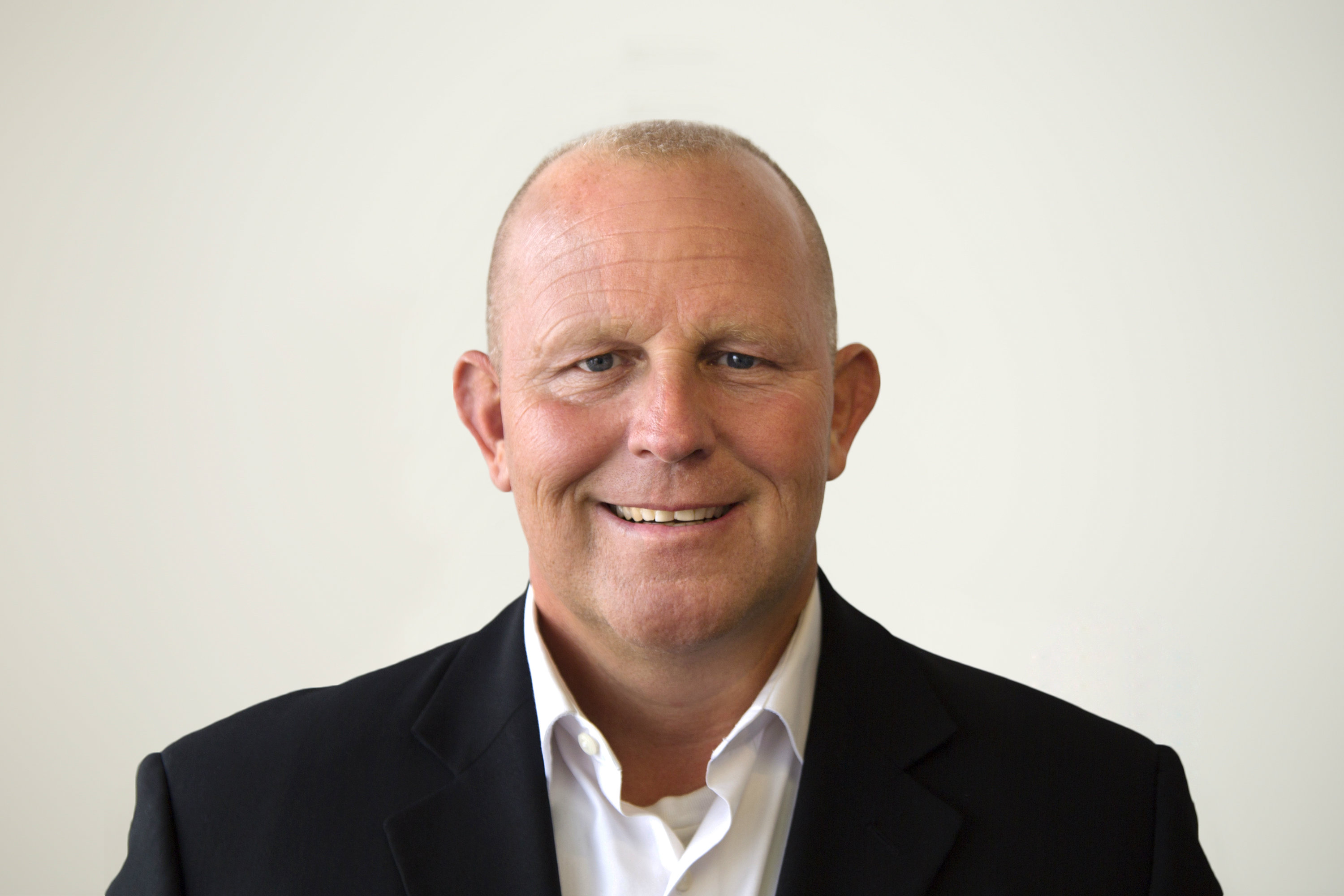
CIO/ Husband/ Father
Rob Zelinka is a transformational CIO and senior technology executive with over three decades of experience leading enterprise-wide digital, cloud, and operational strategies.
Most recently, he served as Vice President & Chief Information Officer at Jack Henry, where he oversaw technology strategy and operations at one of Forbes’ Best Places to Work. His career also includes transformative leadership roles at TechnipFMC and PROS, where he
drove operational rigor, digital innovation, and large-scale technology transformations across global organizations.
Recognized as a three-time Orbie CIO finalist and active member of the WSJ CIO Council and CNBC Technology Executive Council, Rob is a trusted voice in the future of leadership and technology. He serves on multiple advisory boards, guiding executives and organizations through disruption, growth, and cultural reinvention.
Today, Rob channels his experience into advisory services, thought leadership, and leadership development. Through his Leadership, Life & Legacy platform—including his YouTube channel—he shares practical insights, personal reflections, and lessons learned from both the boardroom, the baseball field, and beyond. A former professional umpire,Rob uses sports metaphors and storytelling to illuminate the human side of leadership, helping others lead with clarity, courage, and connection.
At the core of Rob’s work is a belief that transformation begins not with technology, but with people. His approach blends strategic insight with relational intelligence, empowering …Read More