
 Apple Podcasts
 Spotify
 YouTube
 The new glass ceiling (Part 5.)
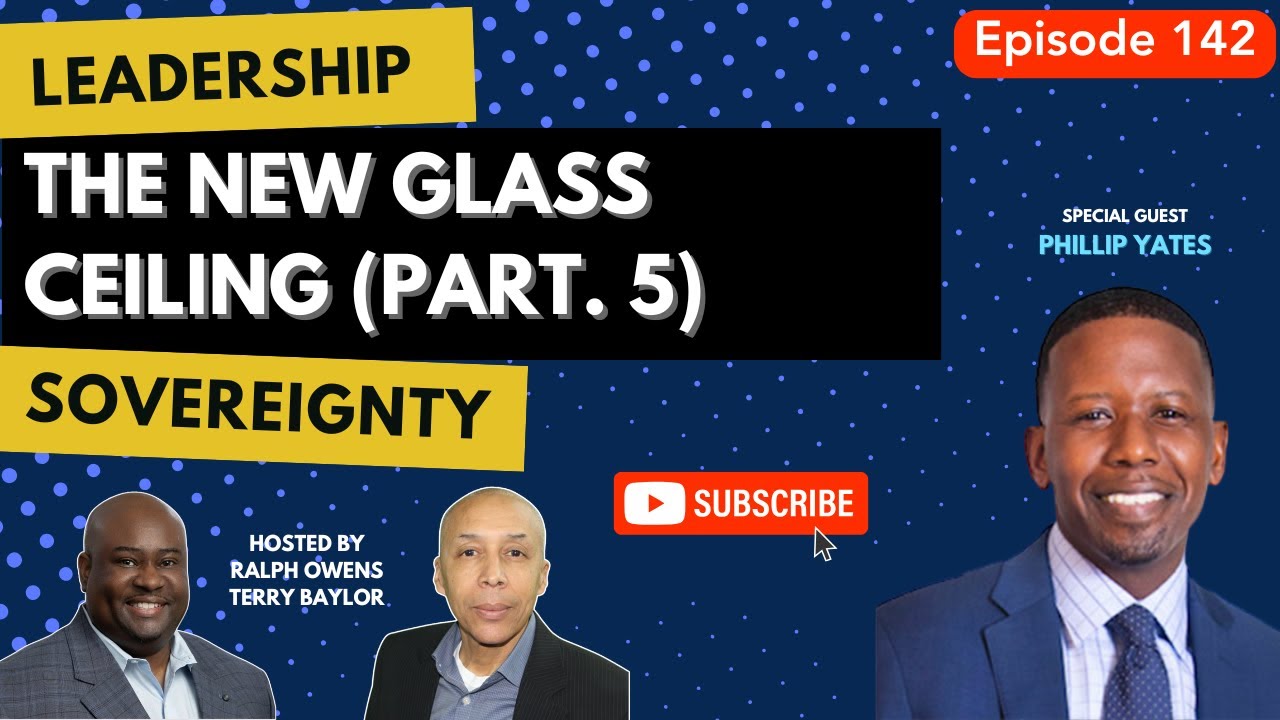
In this episode of Leadership Sovereignty, Ralph Owens and Terry Baylor engage in a profound discussion with Philip Yates about the transformative power of leadership, the importance of viewing jobs as learning opportunities, and the journey towards financial freedom. They explore how exposure to different experiences can shape one's purpose and the critical role of emotional intelligence in achieving success. The conversation emphasizes the need for community empowerment and the significance of understanding one's source of creativity and potential.
Takeaways
- A job is paying you to learn, not forever.
- You can be fired from a job, but not from your work.
- Your purpose can lead you in different ways.
- Emotional intelligence is the greatest asset for the future.
- Financial freedom allows you to deal with social issues.
- Jesus addressed social issues before spiritual ones.
- The source of creativity is within you.
- It's not that poor people want to be poor.
- Financial freedom enables clear thinking and purpose.
Chapters
00:00 Creating Pathways to Wealth
01:10 Learning Through Experience
05:48 Breaking Barriers to Financial Freedom
10:43 The Importance of Purpose and Exposure
And because of all the other things we talked about, like Ralph talking about those barriers, and I when I tell a story about upbringing and, you know, obviously, those are transition when my dad did some things and he exposed me to think he married, my stepmother who was a federal judge, and I was a lot older by then, and that was my first insight of law. And I remember saying, be a lawyer. Only because that was the first time, but growing up, it was be a basketball player.
Speaker 2:Correct.
Speaker 1:Be a drug dealer, be a rapper. Those were the three things that you thought about. And everybody in my community, all my friends pick one of those.
Speaker 3:Welcome to the Leadership Sovereignty Podcast. I'm your host, Ralph Owens, along with Terry Baylor. In this last and final episode, the new glass ceiling part five with Philip Yates, Philip dives into the concept of how EQ is gonna become your greatest asset. He also talks about how exposure to wealth allows us to walk in our purpose. Enjoy the show.
Speaker 2:And so I was listening to a discussion or a lesson that Miles Monroe was teaching. And this changed my life. I told this to my kids this past week. Here's the benefit of a job. A job is paying you to learn.
Speaker 2:Go learn.
Speaker 1:I like that.
Speaker 2:They pay you to learn. Not it's not forever. It's not forever. Right? And so just to tie it back to our earlier conversation, because I know we're wrapping up here soon, he said, look, to your point, Phil, he said, you can be fired from a job.
Speaker 2:You can be let go from a job, but you cannot be fired from your work. To Ralph, to your point, you found your work. Your work is your mission, your passion, what you're designed to do. Right? So go get the job, learn some stuff, let them pay you to learn, right?
Speaker 2:Because you're bringing your IP, right? It's not all You're bringing your IP. You're joining your IP with theirs, right? Because when you leave that job, if you create something, you don't own it. They own it.
Speaker 1:That's right.
Speaker 3:That's right.
Speaker 2:Right. So, Phil, if you if you create a tool when you were a counsel, they own that tool.
Speaker 1:They already have a contract that says, I've assigned all my intellectual property, and in that lean, they keep it.
Speaker 2:Absolutely. Yeah. So but, again but understand, you're leaving with something too just like you. So, Phil, if you don't have that job, then now you don't have you you're not doing what you're doing with the fintech. You learned
Speaker 1:That's right.
Speaker 2:You learned a whole new skill set.
Speaker 3:That's right.
Speaker 2:A whole new discipline.
Speaker 1:Mhmm. I was exposed to them going public. Like, just seeing that. Like, now in my mind, I know the process of raising capital, getting a board, and with that pathway, they're doing an initial public offering. So you're speaking it's exposure.
Speaker 1:That's what leaders
Speaker 2:can predict.
Speaker 1:How quickly can you be exposed? And I and I love what you're saying in terms of treat the job as a training ground. Because your purpose can lead you in different ways, but you gotta know it's your purpose, and that's what we started with. Figure out what god put you here to do, develop it, whether it's the military, whether it's a job, whether it's college. You get training.
Speaker 1:And and because once you got that purpose, there's no AI that can replace you. And that's what and that's even what all the wealthy billionaires will tell you. They said be a good human being. I think it was Serena Williams' husband, and I forget his name. He founded a tech platform.
Speaker 2:Reddit. Think.
Speaker 1:Yeah. And he said emotional intelligence is gonna be the greatest asset in the future. And that's what you guys are talking about right now. That's the investment.
Speaker 2:We we we just did our last show on that.
Speaker 3:So thank you. Show on that. Wow.
Speaker 1:I need to be I can't wait to I I need to listen to y'all's platform, man. Thank you for this. Yeah. This is good.
Speaker 3:Love the I'm sorry, go ahead, Terry.
Speaker 2:Ralph, go ahead.
Speaker 3:No, I love what you're doing, Phil, because I have always wondered exactly what equilibrium was. Man, using financial data to locate the people who are in the demographic that you wanna target and then figuring out how to create a pathway for them to get to wealth. That's phenomenal, man. That absolutely phenomenal. Because to your point, those individuals that you locate, they typically would not have the exposure.
Speaker 3:Talk about Terry and I talk about this all the time. Right? Huge fans of Robert Kiyosaki, especially in Casper Laquadrin. Right? Because once you understand ESBI you understand that everything is a system, you're either leveraging the system or you're being leveraged by a system.
Speaker 3:You understand that, hey, you being raised to be leveraged by a system and to be exposed to those who own the system opens your mind to the possibilities of what could even happen. Because I remember, and this is I'm really being intimate here. So I remember there was a time in my life when I was a teenager where in my mind, I thought as an African American, the best I'll ever be able to do is to sell drugs to have a good life. Yep. That was based on what I was exposed to.
Speaker 3:I really did. I mean, because even those who were trying to live right, they had to live so below their means. Meager. Yes. Yeah.
Speaker 3:It was like, man, I don't want that. You know, I want the big car. You know what I'm saying? I want the big house. I wanna be able to live good too.
Speaker 3:But the only people that I was exposed to who had that, who looked like me, did that. In my mind, was like, that's the only And I'll probably die before I'm 30. I remember thinking that, Wow.
Speaker 1:In the
Speaker 3:environment that we grew up Yeah.
Speaker 1:Wasn't until- was fans.
Speaker 3:Yep. It wasn't until I joined the military. I go to Virginia. I'm in Norfolk, Virginia. I find a church to go to.
Speaker 3:I'm a musician, so I play bass, so I'm playing there and I meet the pastor. The pastor, I'll never forget this man because it changed my life. He sat me down and he said, he showed me a picture from an aerial view of a helicopter of some land. He was like, man, this is a, what'd he say? It was like 16 acres of land.
Speaker 3:He was like, it's only $23,000 He was like, that's only like, at that time it was like, that's only like $280 a month. You could do that. And I'm thinking to myself, $2.80 a month? You know how much money that is? Right?
Speaker 3:I don't have enough money. I can't do that. Right? You know, that kind of stuff. But I started seeing people who were living better, who looked like me.
Speaker 3:And I was like, Oh man, there's a different way. And it was all through business ownership. Right? Owning the system instead of being a part of the system. So man, I just want to thank you for what you're doing because it's gonna help so, so, so many people.
Speaker 3:And big shout out to the Urban League Small Business University. I was a product of that. Phil was the the moderator and the teacher, and it changed my life. Right? That's how Phil and I actually met.
Speaker 3:But no, I think what you're doing is 100% fantastic. It's gonna help generations, right? Because you impact one life today and they put themselves in a different financial position, right? Because we, you know, in our community, we're very tied to our spiritual freedom.
Speaker 1:That's right.
Speaker 3:But not many of us see financial Like the financial freedom allows you to deal with the social issues. And Terry, you talk about that all the time, right? We have to get to the financial freedom side of life along with the spiritual freedom but I think Terry you're say something?
Speaker 2:No, well no just to tag on to that right, Jesus fed them first to the 5,000 right? He fed them first Right? He dealt with their social issues. So, Phil, I think what you're doing is a modern day, you know, you know, two fish, five loaves of bread, you know, kind of situation. Right?
Speaker 2:You're dealing with the social issue. Right and once we can deal with the social issue man we can you know I'm not worrying about what's going to be on the table I'm not worrying about if the light bill is going to be on I'm not worried about the mortgage right I'm not worried about the downturn because I understand that my I understand that my source is not the job. Right? And this is gonna be maybe too deep for some folks, but the source is in me. Right?
Speaker 2:The source is in me. That creativity is in me. That God given dream is in me. That little piece of him is in me. Right?
Speaker 2:I don't wanna go too far, man, but you a little GOD. I'm telling you. No. It's in there. It's in the book.
Speaker 1:I appreciate that. And and and I love the synergy and, obviously, the the cultural reference. Right? I know as children, we talked about, this little light of mine. I'm gonna let it shine.
Speaker 1:And, you know, we're just singing that song, and it's what you're talking about the source. And because of all the other things we talked about, like Ralph talking about those barriers, and I when I tell a story about upbringing and, you know, obviously, those are transition when my dad did some things and he exposed me to all of that. He married, my stepmother who was a federal judge, and I was a lot older by then, and that's my first insight of law. And and I remember saying, be a lawyer. Only because that was the first time, but growing up, it was be a basketball player.
Speaker 2:Correct.
Speaker 1:Be a drug dealer. Be a rapper. Those were the three things that you thought about. And everybody in my community, all my friends picked one of those. Luckily, I was a decent basketball player.
Speaker 1:It got me through school, even did a little bit in college. But but for that, I'm not sure that I would have stayed on on that path. But, you know, we're talking about leadership and the leadership sovereignty. The quicker you can get to wealth, and that's why equilibrium is so important to me. And you guys picked up on it.
Speaker 1:I'm just speaking to the audience now. It's like, yeah, we're building personalized wealth journeys because the quicker somebody can get on that journey, it's almost like you're peeling back the layers. So now somebody can let that source come out. And so whatever God's true purpose for you, you now have the ability to live out your purpose. Right now, it's not that people wanna be poor.
Speaker 1:It's not that people wanna commit. There's nobody that was born into this world saying I'm gonna hurt another human being. It's the and Correct. Obviously, we we give our our parents have grace, and we need to give ourselves grace, and then our kids need to have grace. That's where we're at in today's world.
Speaker 1:But the only way you can do that is if you gotta get them on that journey quicker. And I'll and I'll end with this or land is that you guys said it, and I'm hoping it didn't go over the audience head, is that it's the luxury of it. Right? It's the luxury of being able to be on a pathway already, be get developed, have somebody invest in you, and not worry about making money. And when I was finished law school, someone of my classmates said, what was the first thing you did?
Speaker 1:And I said, fill up my refrigerator. And my wife cracks up. I do not like an empty fridge because that's the mindset I had. I don't want my kids to go through that experience. I want them if you're be a teacher, love being a teacher because it's not about paycheck because you already own homes, you own businesses.
Speaker 1:You can teach them because you want to invest in kids. If you want to be a trash man, be a trash man. They make good money.
Speaker 2:Yes.
Speaker 1:You still have your financial freedom to think clearly, be the greatest source in the world, and walk in the footprints of Jesus Christ as is in that book or whatever book you follow to live out your purpose. So spot on, And, yeah, just thank you for the conversation.
Speaker 2:Oh, man. This has been so rich. Phil, you you've helped you've helped me, man. And and I think that's one of the the the biggest things
Speaker 1:Will do. And I appreciate you, gentlemen. Have a wonderful Memorial Day weekend. Be safe, and I'll make sure baby girl knows that, her two new uncles said happy birthday.
Speaker 2:Alright. Alright.
Speaker 1:God bless
Speaker 3:you, man. God bless, man. Thanks.
Speaker 1:Alrighty.
Speaker 3:Thank you for listening to the Leadership Sovereignty cast. If this content blessed or helped you in any kind of way, support us today by subscribing to our YouTube channel, clicking the like button for this episode, and sharing this content with others that you think it will help. Until next time, stay safe, peace, and blessings.
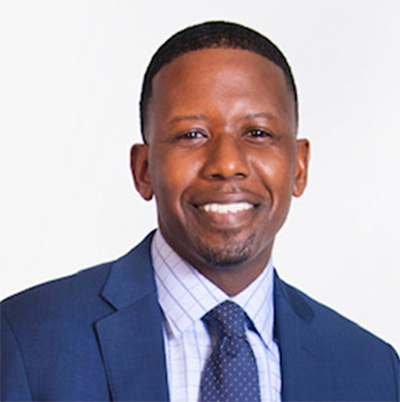
Attorney / Entrepreneur /Community Leader
Phillip Yates is an accomplished attorney, entrepreneur, and community leader dedicated to expanding economic opportunities for underserved communities. He is the founder and CEO of Equiliberty, an innovative fintech platform focused on increasing access to credit, capital, and wealth-building resources for underrepresented individuals.
Beyond Equiliberty, Phillip co-founded Diversity Fund Houston, a $3 million seed fund that invests in Black and Hispanic tech founders, and launched initiatives such as Black Entrepreneurs Week and Latino Entrepreneurs Week to spotlight and support minority business owners.
He also serves as Chairman of Impact Hub Houston, where he helps drive social innovation and entrepreneurship across the region. Recognized as an Ecosystem Builder of the Year, Phillip is passionate about using technology, mentorship, and strategic partnerships to close the racial wealth gap and empower people to achieve financial freedom.
With a background in corporate and bankruptcy law and a strong track record supporting thousands of entrepreneurs, Phillip is on a mission to create lasting, systemic change that helps communities thrive.