Why Employees Hate Project Management Tools (And How to Fix It)

Hero of Their Role: Ralph E. Owens II and Terry Baylor on Team Buy-In for Project Management with Sai Prakash, CTO and Co-Founder of MindStaq
Why won't your team keep the project tool updated, and what would make them want to? In [Episode 191](https://www.leadershipsovereignty.com/ep191) of The Leadership Sovereignty Podcast, hosts Ralph E. Owens II and Terry Baylor continue an ongoing conversation with Sai Prakash, CTO and co-founder of MindStaq. Sai has spent more than 25 years in technology and product leadership, including six years at Microsoft. His answer treats team buy-in as a design problem, not a discipline problem.
Project management software often fails because it is built for executives rather than the individuals doing the work. When team members are forced to feed tools solely to make an executive dashboard light up, updates become a chore. True adoption happens only when the individual using the system is treated as the hero of the story and receives tangible value back for their effort.
Key Takeaways
- Traditional work management tools are designed primarily for company reporting rather than individual productivity.
- Chasing status updates turns project management software into a glorified, burdensome Excel sheet.
- Successful tool rollouts must position the user as the hero, offering clear personal benefits rather than a top-down surveillance mechanism.
- Smaller organizations face unique pressures when managers must double as project managers without burning out their teams.
- AI assistants should enhance human roles rather than automate or replace human judgment entirely.
The Core Problem With Enterprise Software
Most organizations introduce project management tools with high hopes, only to watch engagement plummet within weeks. Managers find themselves endlessly chasing status updates, pinging team members for completions, and wondering why their shiny new platform looks like a ghost town. The root cause of this failure is a fundamental mismatch in design philosophy.
For decades, enterprise software has been engineered from the top down. Developers build platforms that give executives a sweeping panoramic view of organizational health, resource allocation, and timeline velocity. While these dashboards satisfy leadership requirements, they ignore the day-to-day reality of the individual contributor. To the person writing code, drafting copy, or troubleshooting operations, the project management app is simply an extra administrative tax.
Why Dashboards Do Not Drive Motivation
A flashing green metric on an executive dashboard means nothing to an employee who spent eight hours fighting fires and keeping operational lights on. When the pitch for a new tool boils down to leadership saying, "I want to see what everyone is doing," the team immediately perceives it as a surveillance tool. Motivation evaporates when employees realize they are merely feeding data into a machine so someone else can monitor them.
Without an intrinsic reason to open the app, team members stop updating it. The system becomes stale, forcing managers to revert to manual check-ins, email threads, and status meetings. In essence, the expensive software functions as nothing more than a glorified spreadsheet.
Shifting From Company-Centric to Human-Centric Design
To break this cycle, leaders must invert their approach. Work management platforms must be built and introduced from the individual outward. Instead of asking what data the organization needs to extract from the employee, leaders should ask what the employee needs to get back from the tool.
When an individual uses a system to organize their own chaotic day, manage self-initiated tasks, and seamlessly document their own achievements, the software transforms from a burden into an asset. For instance, when it comes time for performance reviews, employees who use a well-integrated system do not have to scramble to remember what they accomplished; their daily workflow has already compiled the data.
Making the User the Hero
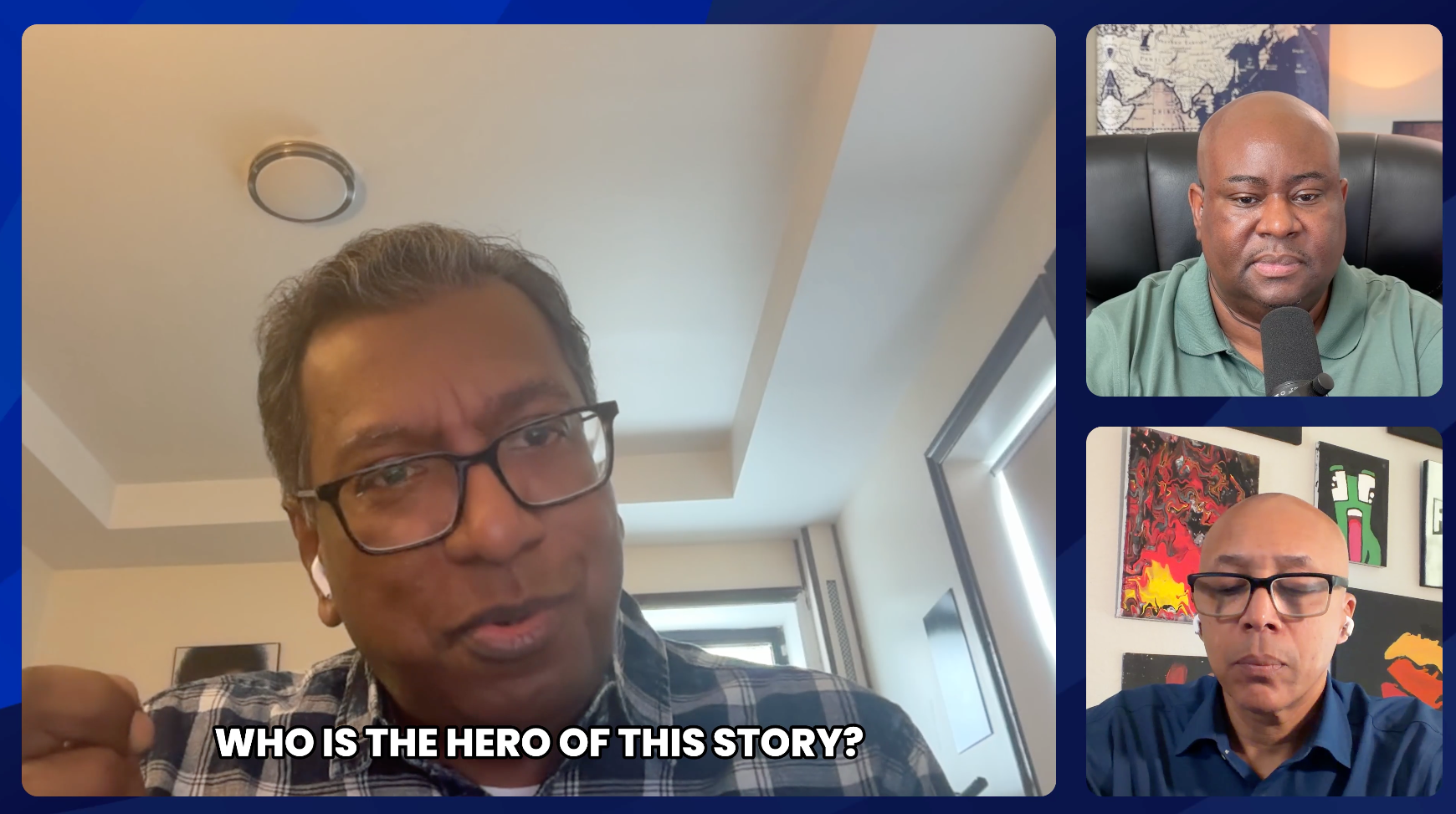
As industry experts emphasize, the hero of the story cannot be the software application, nor can it be the executive suite. The hero must be the user. When rolling out any new platform, the internal pitch must focus entirely on how the tool makes the team member better at their job, reduces friction in their daily routine, and helps them accomplish their personal professional goals.
The Role of AI in Modern Work Management
Artificial intelligence has fundamentally changed how teams handle content creation and administrative overhead. In the past, manually logging tasks and updating shared boards was a laborious chore. Today, AI can act as a quiet, tireless assistant in the background, logging patterns and updating statuses without requiring exhaustive manual input.
However, drawing a firm boundary around AI adoption is critical. While AI can enhance human capabilities, it should never be used to replace the human role or human judgment. Complex workplace environments involve nuanced context that algorithms cannot fully capture. Leaders must ensure that tools empower people rather than reducing human contributors to mere metrics.
Conclusion
Getting team buy-in on project management is not about finding a stricter tool or enforcing compliance through micromanagement. It requires shifting the entire paradigm toward human-centric design, ensuring every user feels empowered and recognized as the hero of their daily work. To dive deeper into these strategies and hear expert insights on modern leadership and work management, Listen to the full episode of the Leadership Sovereignty Podcast.
Frequently Asked Questions
Why do teams stop updating project management tools?
Teams typically stop updating project management tools because the software is designed for executive reporting rather than individual productivity, making updates feel like an administrative burden rather than a personal benefit.
How can managers improve tool adoption without micromanaging?
Managers can drive adoption by framing the tool around what the individual gets back—such as easier personal organization and built-in documentation for performance reviews—rather than focusing on executive oversight.
What is the danger of relying entirely on AI for project management?
Relying completely on AI risks stripping away critical human judgment and contextual awareness. AI should be used to enhance human roles and reduce administrative friction, not to replace the human element in complex operations.
How do smaller companies handle project management when there are no dedicated PMs?
In smaller organizations where managers double as project managers, tools must allow individuals to self-report their work organically so leaders can maintain visibility without burning out trying to track every task manually.

Host, The Leadership Sovereignty Podcast | CIO | 2x Houston CIO of the Year Finalist | US Navy Veteran
Ralph E. Owens II is the host and executive producer of The Leadership Sovereignty Podcast, which he co-hosts with Terry Baylor. Together they have built a career acceleration platform for professionals who want to increase their influence, navigate workplace politics with integrity, and position themselves for promotion.
Ralph is a Chief Information Officer in financial services and a two-time Houston CIO of the Year finalist. His career spans financial services and energy generation, where he has secured critical infrastructure, navigated complex regulatory environments, and built high-performing teams that consistently deliver under pressure.
He is also a United States Navy veteran. Much of what he teaches about leading under pressure, and about the difference between authority and influence, started there.
He built this show for a specific reason. Most professionals are never actually taught the things that determine whether they advance. Every episode is designed to close that gap with real-world strategy rather than theory, so listeners move from overlooked to promoted.
Why Non-Technical Leaders Misunderstand AI Capabilities and File Structures